
Israel deploys Iron Dome to UAE amid Iran conflict, raising regional tensions
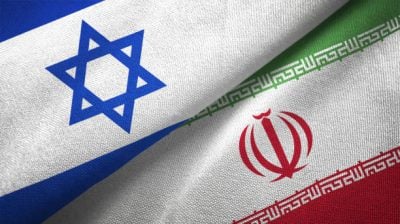
Israel has deployed its Iron Dome air defense system to the UAE as regional tensions with Iran escalate, signaling a deepening defense partnership between the two nations. This military cooperation reflects a strategic shift toward formalized regional alliances that could complicate future diplomatic negotiations with Iran and reshape Middle Eastern geopolitics.
Israel's deployment of Iron Dome technology to the UAE represents a significant escalation in regional military coordination and defense integration. The move underscores how the Abraham Accords framework has evolved from a diplomatic normalization into tangible military cooperation, with both nations treating Iranian threats as a shared security priority. This deployment provides the UAE with advanced air defense capabilities while simultaneously cementing Israel's position as the region's primary security guarantor.
Historically, Middle Eastern defense partnerships have remained fragmented and conditional. The Israel-UAE defense alignment breaks this pattern by institutionalizing cooperation around mutual adversaries, particularly Iran. This shift accelerates a trend toward bloc formation in the region, where Gulf states increasingly align with Israeli security interests rather than maintaining traditional Arab-Iranian balancing acts. Previous initiatives like the Abraham Accords focused on trade and cultural exchange; military deployments indicate the relationship has matured into operational security integration.
For cryptocurrency and blockchain markets, geopolitical escalation typically creates macroeconomic headwinds. Increased regional conflict raises oil price volatility, prompts risk-off asset rotation, and diverts capital toward traditional safe havens rather than speculative digital assets. The UAE's growing military integration with Israel could trigger broader Middle Eastern instability, affecting global energy markets and investor sentiment toward risk assets including cryptocurrencies. Traders should monitor oil futures and global equity volatility indices as leading indicators.
The deployment signals that diplomatic resolutions with Iran face steeper obstacles, as formalized defense alliances create institutional inertia against negotiation. Investors should watch for potential sanctions escalation or military incidents that could spike volatility across both traditional and crypto markets.
- →Israel has deployed Iron Dome air defense to the UAE, deepening military integration between the two nations.
- →The deployment reflects a shift from diplomatic normalization toward operational security cooperation.
- →Regional military escalation typically creates headwinds for risk assets including cryptocurrencies.
- →Formalized defense alliances reduce the likelihood of near-term diplomatic resolution with Iran.
- →Energy market volatility resulting from geopolitical tension can correlate with cryptocurrency price movements.