
Netanyahu orders army to target Beirut suburbs, escalating Israel-Hezbollah conflict
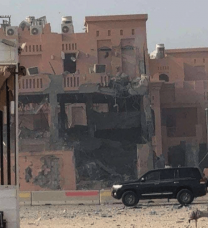
Israeli Prime Minister Netanyahu has ordered military operations targeting Beirut suburbs, marking a significant escalation in the Israel-Hezbollah conflict. The expansion of hostilities threatens regional stability and could disrupt diplomatic negotiations, with potential ripple effects on global markets including cryptocurrency and commodities.
The escalation of military operations in the Israel-Hezbollah conflict represents a critical geopolitical inflection point with material implications for global financial markets. Netanyahu's direct order to target Beirut suburbs signals a shift from limited tactical operations to broader strategic military engagement, moving beyond previous border skirmishes into urban centers of a capital city. This represents a qualitative change in conflict intensity that heightens risks of wider regional involvement, potentially drawing in additional state and non-state actors across the Middle East.
Historically, Middle Eastern conflicts have created uncertainty premiums across risk assets. The broader Israel-Hezbollah tensions have roots in decades of regional competition and proxy warfare, but recent months have seen unprecedented direct military escalation. This specific order suggests confidence in military objectives but also demonstrates political commitment to sustained operations, reducing likelihood of near-term de-escalation through diplomatic channels.
For cryptocurrency and financial markets, geopolitical crises typically trigger flight-to-safety dynamics. Bitcoin and gold traditionally benefit from regional instability as investors hedge against currency depreciation and economic disruption. Oil markets face upward pressure given the Middle East's critical role in global energy supply, which indirectly affects risk asset valuations. Equity markets, particularly those with Middle Eastern exposure or energy dependencies, face pressure during prolonged conflict scenarios.
Market participants should monitor diplomatic channels and UN involvement closely. Escalation patterns suggest the next critical juncture involves whether other regional powers intervene or whether ceasefire negotiations resume. Extended conflict duration amplifies economic costs and increases probability of supply chain disruptions affecting global markets.
- →Netanyahu's order to target Beirut suburbs marks significant escalation beyond previous limited operations in the Israel-Hezbollah conflict
- →Regional military escalation typically creates safe-haven demand for Bitcoin, gold, and defensive assets while pressuring equity markets
- →Oil markets face upward pressure due to Middle East supply chain risks and potential disruption to energy infrastructure
- →Broader diplomatic efforts face undermining from military escalation, reducing near-term ceasefire probability
- →Investors should monitor for secondary regional involvement that could expand conflict scope and economic impact