
US nuclear talks with Iran face disruption from Israel-Hezbollah war
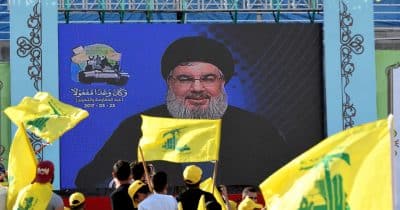
Escalating Israel-Hezbollah military conflict threatens to derail ongoing US-Iran nuclear negotiations, potentially destabilizing the Middle East and triggering volatility across global energy and financial markets. The geopolitical tension creates uncertainty that could reshape regional power dynamics and international sanctions frameworks affecting crypto and traditional asset prices.
The intensifying Israel-Hezbollah conflict introduces a critical variable into already fragile US-Iran nuclear diplomacy. Direct military engagement between Israel and the Lebanese militant organization risks pulling Iran into active conflict, making nuclear negotiation progress increasingly difficult. Historical precedent shows that military escalation in the region typically hardens diplomatic positions, reducing incentives for compromise on nuclear restrictions and sanctions relief.
This conflict emerges within a broader pattern of Middle Eastern instability that has shaped geopolitics since the 2015 Joint Comprehensive Plan of Action (JCPOA). The Trump administration's 2018 withdrawal from the agreement and subsequent maximum pressure campaign left little diplomatic infrastructure for crisis management. Current negotiations aimed at restoring nuclear constraints now face an external shock that could shift negotiating leverage unpredictably.
Market implications span multiple asset classes. Historically, Middle Eastern military escalation drives oil prices higher, creating inflationary pressure that crypto markets track closely. Energy market uncertainty typically increases safe-haven demand for assets like Bitcoin, but simultaneous risk-off sentiment can trigger liquidations across leverage positions. Financial markets may price in heightened geopolitical risk premium, affecting both traditional bonds and digital assets. Traders should monitor crude oil futures, regional equity indices, and BTC correlation with macro risk assets.
Investors should watch whether diplomatic channels remain open despite military operations, as negotiation resumption would likely trigger risk-on positioning. Extended conflict without diplomatic progress could sustain elevated volatility across global markets through year-end, affecting crypto valuations tied to macro sentiment.
- →Israel-Hezbollah military operations threaten to derail US-Iran nuclear negotiations that had shown modest progress.
- →Middle East conflict typically triggers oil price spikes, creating inflationary pressure that affects crypto market valuations.
- →Geopolitical risk premium increases during extended military escalation, historically benefiting safe-haven assets like Bitcoin.
- →Sanctions policy changes depend on negotiation outcomes, directly impacting financial institutions and crypto platforms operating in affected regions.
- →Traders should monitor crude oil futures and macro risk sentiment indicators for signals of market repricing.