
Israel PM: IDF free to act in southern Lebanon to thwart threats
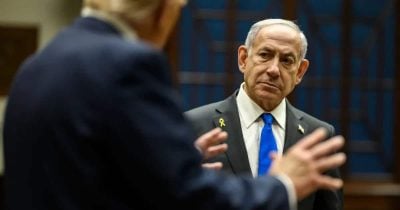
Israeli Prime Minister Netanyahu has stated that the IDF has freedom to operate in southern Lebanon to counter security threats. This escalatory stance risks prolonging regional instability and reducing diplomatic prospects for peace agreements, which could create broader macroeconomic uncertainty affecting cryptocurrency and risk asset markets.
Netanyahu's authorization for expanded IDF operations in southern Lebanon represents a significant escalation in regional tensions following an extended period of cross-border hostilities. The statement signals a hardline approach to security that prioritizes military action over diplomatic resolution, fundamentally altering the calculus for peace negotiations in the region. This positioning reflects the Israeli government's assessment of threats but simultaneously constrains the negotiating space available to international mediators and Lebanese authorities seeking de-escalation.
The broader geopolitical context includes ongoing Hezbollah-Israel tensions, previous ceasefire discussions, and humanitarian concerns in southern Lebanon. The expansion of military operations without explicit ceasefire agreements or negotiated boundaries increases the risk of unintended escalation and potential involvement of other regional actors, which historically destabilizes the Eastern Mediterranean and Middle East.
For cryptocurrency markets, geopolitical instability traditionally correlates with increased volatility and flight-to-safety behaviors among investors. Regional conflicts elevate macro risk premiums, potentially triggering broader sell-offs in risk assets including digital currencies. Energy markets also face supply-chain risk if escalation spreads, which compounds inflationary pressures and central bank policy uncertainty—both factors that influence crypto valuation and investor sentiment.
Market participants should monitor escalation indicators, potential multilateral diplomatic interventions, and any statements from the U.S., EU, or UN that might signal de-escalation efforts. Heightened geopolitical risk typically benefits traditional safe-havens over speculative assets, suggesting a challenging environment for high-beta crypto positions near-term.
- →Netanyahu's military authorization in southern Lebanon signals escalatory rather than diplomatic strategy, reducing near-term peace prospects.
- →Regional instability historically increases macro risk premiums and triggers volatility in cryptocurrency and risk asset markets.
- →Expanded military operations create potential for unintended escalation involving multiple regional actors, multiplying systemic risk.
- →Energy market disruptions from geopolitical conflict can trigger inflation concerns affecting central bank policy and crypto valuations.
- →Investors should monitor multilateral diplomatic responses as indicators of whether escalation will be contained or spread.