
Israel-Iran energy conflict escalates, potential Iran airspace closure looms
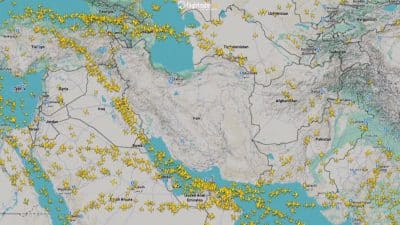
Escalating tensions between Israel and Iran threaten to disrupt global energy markets through potential airspace closures and regional instability. The conflict poses risks to crude oil prices and international trade routes, with implications for macroeconomic conditions affecting cryptocurrency and broader financial markets.
The Israel-Iran energy conflict represents a critical geopolitical flashpoint with direct consequences for global commodity markets. Potential Iranian airspace closure would disrupt critical trade corridors and flight routes, constraining energy supply and elevating crude oil prices. This scenario mirrors historical precedents where regional conflicts have triggered sharp energy price spikes, creating macroeconomic shocks that ripple across asset classes including cryptocurrencies.
The broader context involves decades of regional tensions, sanctions regimes, and competing strategic interests in the Middle East. Recent escalations suggest the situation has moved beyond diplomatic posturing into concrete operational risks. Energy price volatility historically correlates with cryptocurrency market volatility, as investors reassess inflation expectations and macroeconomic growth projections in response to supply disruptions.
For crypto and financial markets, elevated oil prices compress risk appetite and increase capital flight toward defensive assets. Bitcoin and other cryptocurrencies often move inversely to traditional safe havens during geopolitical crises, though elevated energy costs can increase mining operational expenses. Traders should monitor crude oil futures and volatility indices as leading indicators of broader market stress.
The key variable to watch is whether the conflict moves from rhetoric to actual airspace restrictions or military action. Even partial disruptions to energy flows would pressure global GDP growth forecasts, potentially triggering the type of macroeconomic recessions that historically precede cryptocurrency market corrections. Market participants should track sanctions announcements, shipping insurance costs, and oil price movements as real-time indicators of conflict escalation.
- →Potential Iran airspace closure would disrupt global energy supply and elevate crude oil prices significantly.
- →Regional instability increases macroeconomic uncertainty, affecting risk appetite across crypto and traditional markets.
- →Historical precedent shows geopolitical energy conflicts create crypto market volatility through inflation and growth concerns.
- →Mining operations face higher operational costs if energy prices spike due to supply constraints.
- →Traders should monitor oil futures and volatility indices as leading indicators of broader market stress.