
Israel halts attacks on Iran amid diplomatic efforts, triggering crypto market whiplash
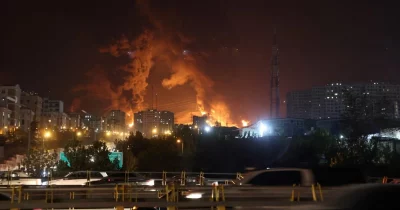
Israel's decision to halt military attacks on Iran in favor of diplomatic negotiations triggered significant volatility in cryptocurrency markets, as traders reassessed risk exposure amid shifting geopolitical tensions. The incident underscores crypto's acute sensitivity to global conflict dynamics and the necessity for investors to implement risk management strategies.
The ceasefire announcement between Israel and Iran created immediate market turbulence as investors rapidly repositioned portfolios in response to de-escalation expectations. When geopolitical tensions spike, crypto markets typically experience liquidation cascades as leveraged positions unwind and risk-averse capital seeks safer assets. Conversely, de-escalation triggers reverse volatility as traders who hedged against conflict realize losses or exit positions. This dynamic reflects cryptocurrency's role as a macro risk asset correlated with broader market sentiment rather than fundamental utility.
Historically, cryptocurrency has demonstrated extreme sensitivity to geopolitical shocks, with Bitcoin and altcoins serving as proxies for broader risk appetite. Previous conflicts and tensions have produced similar whipsaws, establishing a pattern where diplomatic breakthroughs or escalations drive outsized price movements disconnected from underlying blockchain developments. The Middle East specifically represents a critical geopolitical fulcrum; any Israeli-Iranian military engagement threatens regional stability and global energy markets, creating systemic risk that propagates through digital assets.
For traders, this volatility presents both hazards and opportunities. Long-positioned traders faced liquidations as prices swung sharply, while those carrying bearish hedges benefited from downside moves. The broader market impact reveals institutional participation in crypto has increased enough to transmit macro signals with greater force. Looking ahead, investors should monitor diplomatic developments between Israel and Iran closely, as any escalation reversals could trigger renewed volatility. Risk management tools including stop-losses and reduced leverage become essential in periods of elevated geopolitical uncertainty.
- →Cryptocurrency markets experienced sharp volatility following Israel's decision to halt attacks on Iran in favor of diplomacy.
- →Crypto's correlation with geopolitical risk demonstrates its status as a macro asset sensitive to global conflict dynamics.
- →De-escalation triggered liquidations from traders previously hedged against conflict escalation.
- →Investors need robust risk management strategies to navigate crypto's sensitivity to geopolitical developments.
- →Middle East tensions remain a critical factor influencing broader digital asset price movements.