
Israel kills 21 in Lebanon as Hezbollah retaliates, conflict escalates
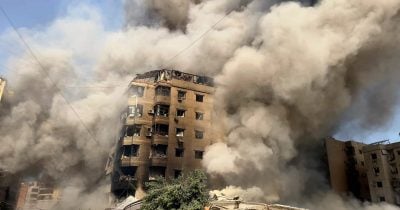
Israeli military operations in Lebanon have killed 21 people, prompting Hezbollah retaliation and escalating regional tensions. The conflict threatens broader stability in the Middle East, potentially disrupting global markets and investor sentiment toward risk assets.
The escalating Israel-Lebanon conflict represents a significant geopolitical flashpoint with cascading implications for global markets. Military operations of this scale, coupled with organized retaliation, signal a shift from contained tensions to active regional warfare. This development matters because Middle Eastern instability historically triggers commodity price volatility, currency fluctuations, and flight-to-safety dynamics that reshape asset allocation across crypto and traditional markets.
The broader context reveals a pattern of escalating tensions in the region. Years of cross-border incidents and proxy conflicts have created a fragile equilibrium; direct military operations between state actors break this equilibrium. The involvement of organized armed groups like Hezbollah introduces unpredictability, as non-state actors operate outside conventional diplomatic channels and deterrence frameworks.
For cryptocurrency and digital asset markets, geopolitical crises typically drive mixed effects. Risk-off sentiment initially pressures speculative assets like altcoins while defensive positioning supports Bitcoin and stablecoins as alternative value stores. However, sustained regional conflict can disrupt critical infrastructure, payment systems, and global trade flows, affecting crypto exchange operations and liquidity pools in affected regions.
Investors should monitor escalation indicators: statements from regional powers, weapons transfers, civilian casualty reports, and diplomatic intervention attempts. A broader war involving multiple state actors or proxy networks could trigger sustained market volatility and shift macro conditions substantially. Current positioning suggests markets have not yet fully priced in tail-risk scenarios, creating potential for sharp reversals if conflict spreads beyond Lebanon.
- →Direct military operations between Israel and Hezbollah indicate escalation beyond previous containment patterns.
- →Regional instability typically triggers risk-off sentiment affecting crypto and growth assets disproportionately.
- →Middle Eastern conflicts disrupt global trade, energy markets, and financial infrastructure with second-order effects on digital assets.
- →Ongoing tensions create uncertainty for investors with exposure to regional markets or emerging market assets.
- →Diplomatic resolution attempts or further escalation will determine whether this becomes a localized conflict or broader regional war.