
Israel expands military actions in Lebanon, impacting Iran peace deal prospects
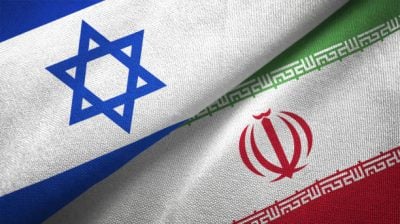
Israel's expanded military operations in Lebanon are escalating regional tensions and creating diplomatic obstacles for Iran peace negotiations. The heightened conflict threatens to derail ongoing diplomatic efforts and destabilize the broader Middle East, with potential consequences for global markets and cryptocurrency volatility.
Israel's military expansion into Lebanon represents a significant escalation in Middle Eastern tensions that extends beyond traditional geopolitical concerns into market-sensitive territory. The conflict directly undermines the fragile diplomatic framework surrounding Iran nuclear negotiations, which have remained a critical factor influencing oil prices, currency fluctuations, and risk asset valuations globally.
The broader context reveals a recurring pattern of military-diplomatic cycles in the region. Previous Israeli actions have consistently pressured peace talks while triggering market volatility, particularly affecting energy commodities. Iran's potential response to escalating Israeli operations could include regional proxy activities or direct military posturing, both historically correlated with increased market uncertainty and capital flight toward safe-haven assets.
For cryptocurrency and investment markets, regional conflicts create dual pressures: risk-off sentiment typically drives traditional asset selloffs while simultaneously boosting demand for non-correlated assets like Bitcoin as portfolio hedges. The cryptocurrency market often experiences volatility during geopolitical crises as traders reassess macro conditions and central bank policy responses to conflict-driven economic disruption.
Investors should monitor three critical developments: the trajectory of Iran peace talks, potential oil market responses if Strait of Hormuz shipping lanes face disruption, and corresponding cryptocurrency market reactions as safe-haven demand shifts. Historical precedent suggests sustained regional tension creates sustained volatility across crypto and traditional markets, making risk management essential for exposure management during this period.
- →Israel's military actions in Lebanon directly threaten Iran peace deal negotiations and regional stability
- →Geopolitical escalation historically triggers volatility across oil, currency, and cryptocurrency markets
- →Investors should use this period to reassess geopolitical risk exposure in their portfolios
- →Safe-haven asset demand typically increases during Middle Eastern conflicts, supporting alternative assets
- →Monitoring Strait of Hormuz shipping corridors and Iran's diplomatic response is critical for market positioning