
Israel expands military operations into Lebanon against Hezbollah despite ceasefire
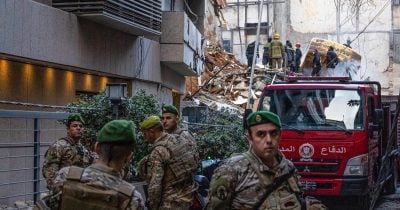
Israel has expanded military operations into Lebanon against Hezbollah despite an active ceasefire agreement, escalating regional tensions. The conflict risks destabilizing broader Middle Eastern security, complicating diplomatic efforts between the US and Iran, and creating uncertainty in global financial markets including cryptocurrency assets sensitive to geopolitical risk.
The escalation of Israeli military operations into Lebanon represents a significant shift in regional dynamics that extends beyond traditional conflict zones into global financial markets. Despite ceasefire agreements meant to de-escalate tensions, the expansion of military engagement signals that underlying disputes remain unresolved and that political actors may prioritize tactical advantages over diplomatic commitments. This pattern reflects the broader instability characterizing Middle Eastern geopolitics, where multiple state and non-state actors pursue competing objectives.
The regional context involves longstanding tensions between Israel and Hezbollah, complicated by US-Iran relations and proxy warfare dynamics. Lebanon's fragile political and economic infrastructure makes it particularly vulnerable to sustained conflict, potentially triggering humanitarian crises and refugee movements that affect neighboring countries and international responses.
Cryptocurrency and broader financial markets respond sensitively to geopolitical escalation due to flight-to-safety dynamics and uncertainty premiums. Risk-averse investors typically rotate toward traditional safe havens like US Treasury bonds and gold during regional crises, potentially creating headwinds for risk assets including cryptocurrencies. Energy markets may also experience volatility given Middle Eastern oil production concerns, which indirectly affects global economic growth expectations and investor sentiment toward digital assets.
Market participants should monitor escalation indicators and diplomatic developments closely. Extended conflict could trigger broader sanctions regimes, disrupt supply chains, and force central banks to adjust monetary policy responses. Cryptocurrency investors should watch for correlation shifts with traditional markets and volatility spikes during major geopolitical announcements.
- →Military escalation despite ceasefire demonstrates unresolved underlying tensions between Israel and Hezbollah
- →Regional instability threatens to complicate US-Iran diplomatic negotiations and broader Middle East peace efforts
- →Geopolitical risk premiums typically pressure risk assets including cryptocurrencies as investors seek safe havens
- →Energy market uncertainty from Middle Eastern conflicts can cascade into broader economic and financial instability
- →Extended military operations risk humanitarian crises and may trigger international sanctions affecting global markets