
Israel’s stocks and currency plunge, becoming world’s worst performers
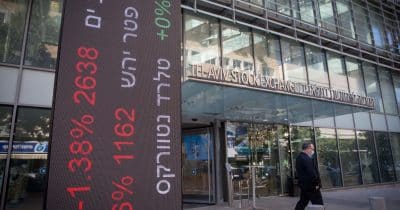
Israel's stock market and shekel currency have become the world's worst-performing assets amid escalating geopolitical tensions, signaling weakened investor confidence. The market turmoil reflects broader concerns about regional stability and is influencing global risk sentiment and capital allocation patterns.
Israel's financial markets are experiencing significant distress, with both equities and the shekel currency registering among the weakest performances globally. This deterioration stems from heightened geopolitical tensions that have eroded investor confidence in the stability of Israeli assets. The sell-off represents a classic flight-to-safety dynamic, where risk-averse capital reallocates away from emerging market exposure toward perceived safer havens like US Treasuries and the dollar.
The broader context reveals how geopolitical risk translates into market mechanics. Israel's economy, while advanced and diversified, remains vulnerable to regional instability given its geographic position and defense spending requirements. When political tensions spike, foreign institutional investors and portfolio managers systematically reduce exposure, triggering currency weakness as they repatriate funds. This dynamic has cascading effects across asset classes—equity indices suffer from both direct selling and currency depreciation headwinds.
For cryptocurrency and digital asset markets, Israel's market turmoil serves as a macroeconomic indicator of broader risk-off sentiment. Investors typically flee volatile assets during periods of geopolitical uncertainty, creating downward pressure across risk assets including crypto. However, some market participants view such crises as opportunities to deploy capital into alternative assets perceived as uncorrelated to traditional markets.
Investors should monitor the trajectory of Israeli debt spreads, shekel exchange rates, and capital control measures for signals of deeper economic stress. Extended market dysfunction in major economies typically presages broader shifts in global liquidity conditions and risk appetite that ripple through cryptocurrency markets.
- →Israel's stocks and currency are now world's worst performers due to geopolitical tensions
- →Market turmoil reflects deteriorating investor confidence and capital flight dynamics
- →Risk-off sentiment from Israeli market stress influences global asset allocation patterns
- →Geopolitical crises typically trigger reduced appetite for emerging market and alternative assets
- →Monitor Israeli debt spreads and currency stability as leading indicators of broader market stress