
Israeli airstrike in Lebanon kills four civilians, intensifying conflict with Hezbollah
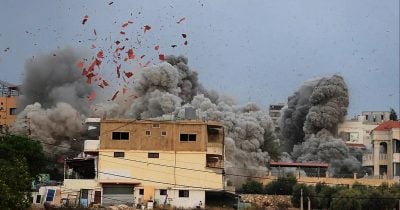
An Israeli airstrike in Lebanon resulted in four civilian deaths, marking an escalation in hostilities with Hezbollah that significantly diminishes prospects for peace negotiations and ceasefire agreements. The incident heightens the risk of broader regional conflict, with potential implications for global geopolitical stability and asset markets.
The airstrike represents a critical inflection point in Israeli-Hezbollah tensions, moving beyond limited skirmishes toward sustained military operations with civilian casualties. Such escalations typically precede major regional conflicts that create broader instability affecting commodity prices, currency markets, and investor risk appetite. Historically, Middle Eastern military escalations correlate with increased volatility across global markets, as investors reassess geopolitical risk premiums.
This incident follows a pattern of rising tensions along the Israel-Lebanon border, where periodic exchanges have tested ceasefire boundaries established in prior agreements. The involvement of civilian casualties amplifies diplomatic complications, as international pressure for restraint typically increases while nationalist sentiment within both Israeli and Lebanese constituencies hardens. Peace negotiations require both sides to demonstrate restraint, yet military incidents like this create domestic political pressure for stronger responses, creating a cycle that erodes diplomatic progress.
For cryptocurrency and digital asset markets, geopolitical crises typically trigger flight-to-safety dynamics where investors rebalance toward traditional hedges—gold, government bonds, and stable currencies. Bitcoin's correlation with risk assets means such conflicts can increase volatility in crypto markets as macro investors reposition portfolios. Regional conflicts also create uncertainty around energy markets, potentially affecting oil prices and inflation expectations globally.
Monitoring developments over the coming weeks remains critical. Signs to watch include whether international bodies broker immediate ceasefires, whether either party initiates further major operations, and how global markets reprrice risk as the situation evolves. Investors should anticipate potential volatility across both traditional and crypto asset classes if tensions continue escalating.
- →Israeli airstrike killing four Lebanese civilians marks significant military escalation with Hezbollah.
- →Incident substantially reduces likelihood of peace negotiations and ceasefire extensions.
- →Geopolitical instability typically triggers flight-to-safety in financial markets and increased crypto volatility.
- →Civilian casualties complicate diplomatic resolution and harden domestic political positions on both sides.
- →Investors should monitor escalation patterns and international diplomatic responses for market implications.