
Israeli airstrikes kill at least 20 in Lebanon despite ceasefire agreement
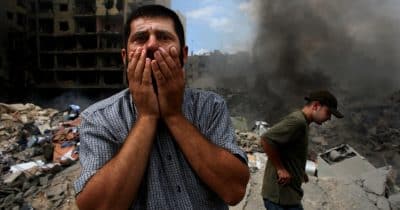
Israeli airstrikes in Lebanon have killed at least 20 people, violating a recently established ceasefire agreement. The incident undermines ongoing diplomatic efforts and threatens to reignite regional conflict, complicating prospects for sustainable peace negotiations.
The airstrikes represent a significant breach of the ceasefire agreement between Israel and Lebanon, signaling fragility in the diplomatic framework meant to de-escalate tensions in the region. The violation occurs despite international mediation efforts and raises questions about the commitment of parties to maintain agreed-upon terms. Such breaches typically precede cycles of retaliation, creating security uncertainty that destabilizes the region and erodes trust between negotiating parties.
This incident reflects the broader Middle East conflict dynamics where military escalations frequently interrupt peace processes. Previous ceasefire attempts in the region have similarly collapsed when one party alleged violations or responded to perceived threats. The killing of civilians during a supposed truce period demonstrates how fragile these agreements can be without strong international enforcement mechanisms or confidence-building measures.
For crypto and financial markets, regional geopolitical instability typically correlates with increased volatility in risk assets and flight-to-safety dynamics. Renewed conflict in the Middle East historically triggers oil price spikes, which can affect global macro conditions and cryptocurrency valuations. Investors often reduce exposure to riskier assets during periods of geopolitical uncertainty, potentially impacting emerging market investments and crypto holdings correlated with risk sentiment.
Market participants should monitor ceasefire developments closely, as further escalation could trigger broader regional conflict with significant macroeconomic consequences. The next 48-72 hours will be critical in determining whether this represents an isolated incident or the beginning of renewed hostilities. International diplomatic response and potential sanctions could influence market direction and investor risk appetite.
- →Israeli airstrikes killing at least 20 in Lebanon violate the ceasefire agreement, threatening diplomatic progress.
- →Regional instability increases geopolitical risk and typically correlates with cryptocurrency market volatility.
- →Ceasefire breaches reduce investor confidence in Middle East peace processes and encourage risk-off positioning.
- →Oil price fluctuations resulting from escalation could impact broader macro conditions affecting crypto markets.
- →International response and further military developments over coming days will determine escalation trajectory.