
Israeli airstrikes in Lebanon escalate tensions with Iran
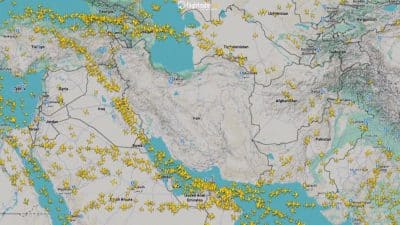
Israeli military operations in Lebanon are intensifying regional tensions with Iran, creating potential instability in Middle Eastern airspace and increasing pressure on the Iranian regime. This geopolitical escalation could have ripple effects on global markets, including cryptocurrency volatility tied to oil prices and broader risk-off sentiment.
The escalation of Israeli airstrikes in Lebanon represents a significant shift in regional military dynamics that extends beyond traditional conflict zones. The involvement of Iran as a stakeholder raises stakes considerably, as Iran's response options—ranging from direct military intervention to proxy escalation—remain unpredictable. This uncertainty creates a complex geopolitical environment where decisions about airspace, sanctions, and regional stability remain fluid.
Historically, Middle Eastern conflicts have triggered sharp movements in energy markets and risk assets. The current situation echoes previous flashpoints where sudden military escalations caused oil price spikes and prompted investors to reassess exposure to volatile regions. Iran's vulnerability during this period, as suggested by the article, may influence regime decision-making around sanctions compliance, financial systems, and international engagement—all factors that indirectly affect crypto markets through broader macro sentiment.
For cryptocurrency markets and digital asset investors, geopolitical crises typically trigger two competing forces: flight-to-safety demand that can support Bitcoin and other non-correlated assets, and general risk-off liquidations across speculative positions. The instability in Iran's position specifically matters because it could influence energy prices, which correlate with inflation expectations and central bank policy responses that ultimately affect asset valuations.
Market participants should monitor three developments: direct military escalation timelines, international diplomatic responses, and any sanctions-related announcements affecting Iran. These factors will determine whether this conflict remains regional or triggers broader macro volatility affecting capital markets and crypto trading patterns.
- →Israeli airstrikes in Lebanon are intensifying regional tensions and increasing Iran's strategic vulnerability.
- →Middle Eastern military escalations historically trigger oil price volatility and broader financial market uncertainty.
- →Cryptocurrency markets typically experience competing pressures during geopolitical crises—flight-to-safety versus risk-off liquidations.
- →Iran's decision-making around sanctions, airspace, and international engagement could influence macro conditions affecting crypto valuations.
- →Investors should monitor military escalation timelines, diplomatic responses, and sanctions announcements as key indicators of market impact.