
Israeli airstrikes hit Al-Ghaziyah, escalating conflict in southern Lebanon
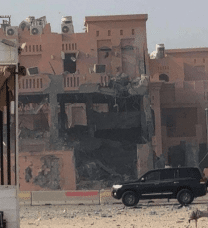
Israeli airstrikes targeting Al-Ghaziyah in southern Lebanon mark an escalation in regional military tensions. The strikes heighten instability in the Middle East and could undermine ceasefire negotiations, with potential ripple effects on global markets and geopolitical risk premiums.
The Israeli military operations in southern Lebanon represent a significant escalation in an already fragile regional conflict. The targeting of Al-Ghaziyah signals intensified cross-border operations that move beyond isolated incidents toward sustained military engagement. This escalation occurs amid broader Middle Eastern tensions and raises questions about the sustainability of any diplomatic resolution efforts. The strikes directly impact ceasefire prospects by hardening positions on both sides and potentially triggering retaliatory actions that perpetuate the cycle of violence.
Geopolitically, southern Lebanon has long served as a flashpoint between Israeli forces and militant groups operating from Lebanese territory. Recent months have seen incremental military actions, but this latest escalation suggests a shift toward more aggressive posturing. The broader context includes regional tensions spanning multiple conflicts, with various state and non-state actors pursuing competing interests across Syria, Iraq, and the broader Levant.
For financial markets, escalating Middle East tensions historically increase volatility in energy markets and crypto assets, as investors reassess geopolitical risk. Oil prices typically rise during regional instability, affecting global inflation expectations and monetary policy considerations. Cryptocurrency markets, sensitive to macro uncertainty and safe-haven demand shifts, may experience increased trading activity as investors hedge against escalating geopolitical risk. The potential for expanded conflict creates uncertainty that can suppress traditional asset prices while benefiting alternative assets.
Watchers should monitor whether these strikes trigger immediate retaliation, ceasefire negotiation progress, and broader international diplomatic responses. Escalation patterns and statements from regional powers will signal whether this represents a temporary spike or sustained military campaign.
- →Israeli airstrikes on Al-Ghaziyah mark military escalation that threatens fragile ceasefire negotiations in southern Lebanon.
- →Regional instability typically increases safe-haven asset demand and energy market volatility.
- →Broader Middle East tensions create macro uncertainty affecting both traditional and cryptocurrency markets.
- →Escalation patterns and international diplomatic responses will determine long-term geopolitical risk trajectory.
- →Investors should monitor oil prices and macro uncertainty indicators as proxies for conflict expansion.