
Israeli airstrikes continue in southern Lebanon amid Hezbollah conflict
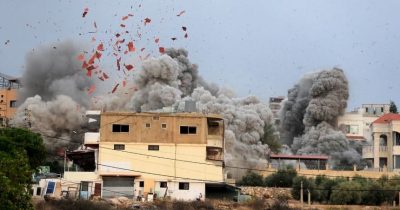
Israeli airstrikes in southern Lebanon are intensifying amid conflict with Hezbollah, significantly reducing prospects for a ceasefire and complicating diplomatic peace efforts. The escalation heightens regional instability and geopolitical risk factors that could affect global markets, including cryptocurrency and commodities.
The escalation of Israeli military operations in southern Lebanon represents a critical juncture in Middle Eastern tensions. The continued airstrikes target Hezbollah positions and infrastructure, but each offensive cycle pushes ceasefire negotiations further out of reach. Regional conflicts of this magnitude historically create market volatility as investors reassess geopolitical risk premiums across multiple asset classes.
This situation stems from longstanding Israel-Hezbollah tensions, with periodic flare-ups creating windows of uncertainty. The current phase differs in intensity and suggests diplomatic channels are strained. Previous regional conflicts have demonstrated cryptocurrency markets' sensitivity to geopolitical shocks, with investors sometimes treating crypto as a hedge against regional instability and currency debasement in affected nations.
For crypto and traditional markets, sustained regional conflict creates indirect economic pressures. Oil prices become volatile, risk assets face selling pressure, and safe-haven flows typically redirect toward established assets like gold and stablecoins. Lebanese economic conditions have already deteriorated significantly; further conflict deepens financial instability in the region, potentially increasing demand for decentralized financial tools among populations seeking alternatives to unstable local currencies.
Market participants should monitor escalation indicators and ceasefire progress announcements. Extended conflict could sustain elevated volatility across risk assets, while sudden diplomatic breakthroughs might trigger sharp reversals. The broader implication concerns how prolonged Middle Eastern instability affects global macro conditions, energy prices, and investor risk appetite—factors that indirectly influence cryptocurrency valuations through macroeconomic channels.
- →Israeli airstrikes in Lebanon reduce near-term ceasefire prospects and extend regional conflict duration.
- →Geopolitical instability typically increases volatility across crypto and traditional markets due to safe-haven flows.
- →Regional conflicts can create demand for decentralized financial systems in economically destabilized areas.
- →Energy price volatility from Middle Eastern tensions indirectly affects risk asset valuations including cryptocurrencies.
- →Ceasefire announcements could trigger rapid market reversals, requiring active monitoring by risk-sensitive investors.