
Israeli airstrikes in Lebanon complicate US-Iran negotiations
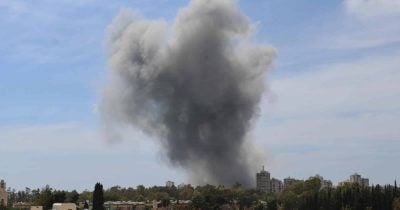
Israeli airstrikes in Lebanon are escalating regional tensions and threatening to derail ongoing diplomatic negotiations between the U.S. and Iran. The military escalation creates uncertainty that could destabilize Middle Eastern geopolitics and impact global markets, including cryptocurrency assets sensitive to geopolitical risk.
The Israeli airstrikes in Lebanon represent a significant escalation in Middle Eastern tensions at a critical juncture for U.S.-Iran diplomacy. Military actions of this scale typically complicate diplomatic channels by hardening positions on both sides and reducing the political space for negotiators to operate. Iran, as a key stakeholder in Lebanese regional influence through Hezbollah, faces domestic pressure to respond, potentially triggering a tit-for-tat cycle that undermines peace efforts.
This confrontation unfolds against a backdrop of persistent regional instability spanning Syria, Iraq, Yemen, and the Palestinian territories. The U.S. has historically used diplomatic channels to de-escalate Israeli-Iranian proxy conflicts, but military operations constrain negotiators' flexibility. Each escalation raises the stakes for diplomatic resolution and increases the risk of direct state-to-state conflict.
For cryptocurrency markets, geopolitical crises create both headwinds and opportunities. Risk-off sentiment typically drives capital toward safe havens like gold and U.S. treasuries, potentially creating short-term selling pressure on volatile assets including Bitcoin and altcoins. Conversely, investors concerned about currency debasement or regional instability may view crypto as a hedge against macro uncertainty. Oil price volatility resulting from Middle East tensions can also influence broader market sentiment and investor risk appetite.
Market participants should monitor developments in diplomatic channels, Iranian response measures, and any statements from U.S. officials regarding negotiations. Escalation beyond current levels could trigger broader macroeconomic instability affecting crypto correlations with traditional assets.
- →Israeli military operations in Lebanon directly threaten U.S.-Iran diplomatic negotiations by hardening positions and reducing negotiating flexibility.
- →Geopolitical escalation in the Middle East typically triggers risk-off sentiment affecting cryptocurrency valuations and market volatility.
- →Iranian response measures and domestic political pressure could trigger further escalation, complicating peace efforts further.
- →Crypto traders should monitor oil price movements and traditional safe-haven flows as indicators of broader market sentiment during geopolitical crises.
- →Diplomatic channel status and official statements from U.S. and Iranian officials will be critical indicators for market direction.