
Israeli attacks kill over 4,100 in Lebanon, escalating conflict with Hezbollah
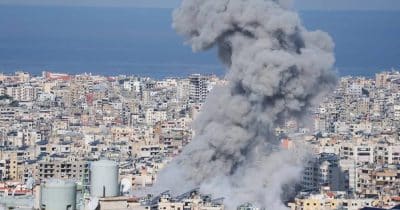
Israeli military operations in Lebanon have resulted in over 4,100 deaths, significantly escalating tensions with Hezbollah. The conflict threatens regional stability and undermines diplomatic peace efforts, creating uncertainty across Middle Eastern geopolitical and economic landscapes.
The escalation of Israeli-Hezbollah hostilities represents a critical geopolitical flashpoint with ripple effects across global markets. The death toll exceeding 4,100 signals a dramatic intensification from previous confrontations, moving beyond localized skirmishes into sustained military operations that threaten to destabilize the broader Levantine region. This represents a qualitative shift in the conflict's scope and severity.
Historically, Israeli-Hezbollah tensions have periodically flared into brief conflicts, most notably in 2006, but sustained operations have remained limited. The current escalation follows years of cross-border provocations and represents a breakdown in the fragile status quo that has largely held since the previous major conflict. Regional actors including Iran, Syria, and various international powers have stakes in the outcome, complicating diplomatic resolution.
For cryptocurrency and asset markets, geopolitical crises of this magnitude typically trigger risk-off sentiment, increased volatility, and capital flight toward safe-haven assets. Energy markets face particular pressure given the region's importance to global oil supplies, which indirectly affects investment risk appetite and macro conditions that influence crypto valuations. Elevated uncertainty tends to increase demand for non-correlated assets like Bitcoin as portfolio hedges.
Observers should monitor whether the conflict expands to involve additional actors or nations, potential ceasefire negotiations, and any statements from major powers regarding intervention. Market reaction will likely depend on escalation trajectory—contained conflict may produce temporary volatility, while wider regional involvement could trigger sustained market disruption and flight to defensive positions.
- →Israeli operations in Lebanon have killed over 4,100 people, representing a significant escalation in regional conflict intensity.
- →The escalation undermines ongoing diplomatic peace efforts and complicates international conflict resolution attempts.
- →Geopolitical crises of this scale typically trigger risk-off sentiment and increased volatility across financial markets including crypto.
- →The conflict involves multiple regional actors and international stakeholders with varying strategic interests in the outcome.
- →Market impact depends critically on whether the conflict remains localized or expands to draw in additional nations and actors.