
Israeli military expands control in southern Lebanon, signaling prolonged presence
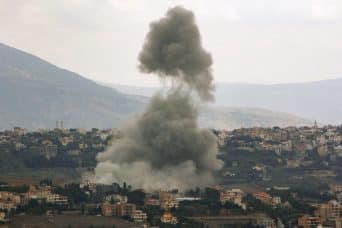
The Israeli military's expanded control in southern Lebanon indicates a shift toward long-term strategic positioning rather than a temporary operation, raising concerns about regional stability and potential economic disruptions. This geopolitical development carries implications for global markets, including cryptocurrency and traditional assets sensitive to Middle Eastern tensions.
The Israeli military's expansion of control in southern Lebanon represents a significant escalation in regional military positioning with broader geopolitical ramifications. This move signals a departure from short-term tactical operations toward sustained occupation, reshaping the power dynamics in the Levant and potentially destabilizing neighboring markets and trade routes.
The context for this expansion stems from longstanding tensions between Israeli forces and Hezbollah, escalating through periodic conflicts and cross-border incidents. The current entrenchment suggests a strategic calculation that extended presence is necessary to address perceived security threats, reflecting a hardening of positions that complicates diplomatic resolution pathways that previously existed.
From a market perspective, prolonged Middle Eastern military operations historically trigger risk-off sentiment across volatile asset classes. Cryptocurrency markets, already sensitive to geopolitical tensions and macroeconomic uncertainty, typically experience selling pressure during regional conflicts as investors retreat to traditional safe-haven assets like US Treasuries and gold. Oil market volatility from potential supply chain disruptions adds inflationary pressure, indirectly affecting crypto valuations through broader monetary policy responses.
Investors should monitor several indicators moving forward: escalation triggers that could expand the conflict, diplomatic initiatives that might reduce tensions, and any direct impact on regional trade infrastructure. Energy prices warrant particular attention, as sustained instability could prompt central banks toward hawkish policy stances that pressure growth-oriented assets. Additionally, sanctions regimes or financial restrictions targeting entities involved could reshape cross-border payment flows and crypto adoption in the region.
- →Israeli military entrenchment in southern Lebanon signals prolonged regional tension rather than temporary military action
- →Geopolitical conflicts historically trigger risk-off sentiment in cryptocurrency markets as investors seek safer assets
- →Regional instability could disrupt energy markets, creating inflationary pressures that influence monetary policy and crypto valuations
- →Extended military presence complicates diplomatic solutions and suggests continued volatility in the coming months
- →Investors should monitor energy prices and potential sanctions as key indicators of market impact escalation