
Shas leader links US-Iran deal to divine retribution for draft evader arrests, slams attorney general as ‘wicked woman’
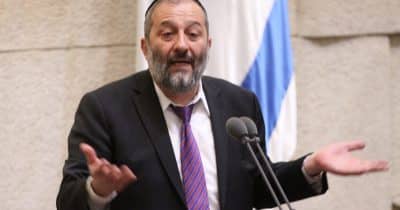
A Shas party leader made controversial remarks linking a potential US-Iran nuclear deal to divine punishment for arrests of draft evaders, while attacking Israel's attorney general. The comments reflect deep political divisions within Israeli government regarding military conscription and foreign policy matters.
The Shas leader's statement represents a significant political flashpoint within Israeli governance, connecting two seemingly separate issues—international nuclear diplomacy and domestic military conscription enforcement—through a religious and conspiratorial framing. This rhetorical move reflects broader tensions in Israeli coalition politics, where religious parties often leverage religious arguments to influence policy decisions and challenge secular institutions like the attorney general's office. The characterization of the attorney general as a 'wicked woman' indicates personal animosity extending beyond policy disagreements into ad hominem attacks that undermine institutional credibility. The framing of geopolitical outcomes as divine retribution for domestic policy enforcement suggests that political actors are mobilizing religious constituencies around grievances related to military service exemptions, a historically contentious issue in Israel where certain religious populations have claimed exemptions from mandatory military service. This dynamic matters because it demonstrates how religious nationalism can intersect with military policy and international relations, potentially influencing Israel's negotiating position or domestic stability. The broader trend shows increasing polarization between secular-leaning government institutions and religious political parties over core issues of state authority, conscription fairness, and Iran-related security concerns. For investors and market participants, political instability of this nature can affect regional geopolitical risk assessments, particularly concerning Israeli assets, defense-related holdings, and Middle East exposure more broadly. The potential for escalated political tensions could influence policy decisions affecting sectors from energy to technology.
- →Israeli political tensions between religious and secular authorities are intensifying over military conscription and international relations.
- →Religious framing of geopolitical outcomes reflects deeper coalition dynamics and institutional distrust within Israeli government.
- →Political instability in Israel may affect regional geopolitical risk assessments and investor sentiment toward Middle Eastern markets.
- →The attorney general's office faces challenges to institutional authority from religious political actors using rhetorical attacks.
- →Conscription exemptions for religious populations remain a flashpoint connecting domestic and foreign policy disputes.