
Israeli military strikes Iranian petrochemical complex linked to missile production
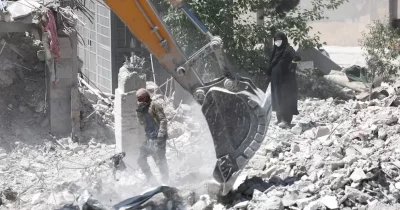
Israeli military forces struck an Iranian petrochemical complex allegedly linked to missile production, escalating regional tensions. The attack raises geopolitical risks that could destabilize Middle Eastern security, disrupt global energy markets, and complicate international diplomatic initiatives.
The Israeli military strike on an Iranian petrochemical facility represents a significant escalation in Middle Eastern tensions with far-reaching implications for global stability and financial markets. Direct military action targeting Iranian infrastructure signals a shift toward more aggressive posturing in an already volatile region, moving beyond previous cyber operations or targeted assassinations to kinetic strikes on civilian-adjacent industrial assets. This action reflects deepening strategic competition and suggests diplomatic channels have become increasingly ineffective.
Regional tensions have intensified over the past several years due to nuclear program disputes, proxy conflicts in Syria and Iraq, and competing influence over the Persian Gulf. Iran's ballistic missile development has been a longstanding point of contention with Western powers and regional allies. This strike appears designed to degrade Iranian military-industrial capacity, but such actions typically provoke retaliatory responses that further destabilize the region.
Cryptocurrency and broader financial markets respond significantly to geopolitical shocks affecting energy security. Oil price volatility directly impacts inflation expectations, which influences both traditional asset valuations and crypto market sentiment. Bitcoin historically trades inversely to risk-on sentiment during geopolitical crises, though energy-related inflation concerns can create competing pressures. The petrochemical sector disruption could tighten global energy supplies, potentially pushing commodity prices higher and triggering flight-to-safety dynamics that affect capital allocation across asset classes.
The path forward depends on Iranian response severity and international diplomatic intervention. Escalatory cycles in the Middle East historically create sustained volatility across equities and commodities, creating both hedging demand and risk-off pressure on speculative assets like cryptocurrencies.
- →Israeli military struck Iranian petrochemical complex linked to missile production, significantly escalating regional conflict
- →Geopolitical tensions directly impact oil markets, energy prices, and broader inflation expectations affecting crypto valuations
- →Bitcoin and risk assets typically face selling pressure during Middle East security crises despite energy-driven inflation concerns
- →International diplomatic efforts face increased strain as military actions replace negotiation channels
- →Investors should monitor potential Iranian retaliation and OPEC responses that could affect energy markets and crypto sentiment