
Israel’s buffer zone expansion in Lebanon faces Hezbollah’s attrition tactics
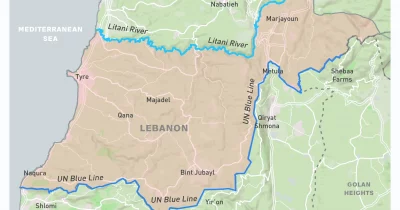
Israel's expansion of its buffer zone into Lebanon amid Hezbollah's resistance tactics has intensified regional geopolitical tensions. This military escalation carries implications for global financial markets, particularly affecting risk sentiment and commodity prices tied to Middle Eastern stability.
The Israeli buffer zone expansion in Lebanon represents a significant escalation in an already volatile regional conflict. Israel's military strategy aims to create a security perimeter against Hezbollah threats, while the Lebanese militant group employs attrition tactics to resist territorial incursions. This dynamic reflects a broader pattern of direct confrontation in the Middle East, moving beyond proxy conflicts toward conventional military posturing. The escalation follows months of cross-border tensions and represents a critical inflection point in Israeli-Hezbollah relations.
Historically, Israeli security operations in Lebanon have drawn international responses and shaped regional power dynamics for decades. The current expansion occurs within a complex geopolitical context involving Iranian influence, Lebanese state fragility, and shifting alliances in the broader Middle East. Hezbollah's attrition tactics suggest a strategy focused on maintaining operational capability rather than conventional battlefield victory, reflecting asymmetric warfare principles that have defined the group's approach.
Financial markets typically respond to Middle Eastern geopolitical escalation through multiple channels. Oil prices often spike on supply disruption fears, particularly given regional crude production significance. Risk assets, including cryptocurrencies, may experience volatility as investors reassess geopolitical risk premiums. Emerging market currencies in the region face depreciation pressure, while safe-haven assets like US Treasury bonds and gold typically attract capital flows during heightened tensions.
Market participants should monitor escalation indicators, including casualty rates, civilian displacement figures, and international diplomatic responses. Any direct involvement from regional powers like Iran or intervention from global actors could materially shift market risk assessment and trigger broader financial market repricing across equities, commodities, and digital assets.
- →Israel's buffer zone expansion represents direct military escalation against Hezbollah in Lebanon with uncertain strategic outcomes.
- →Hezbollah's attrition tactics suggest prolonged conflict rather than rapid resolution, increasing sustained geopolitical risk.
- →Regional military escalation typically triggers oil price volatility and risk-off sentiment affecting global financial markets.
- →Cryptocurrencies and emerging market assets face potential volatility exposure to Middle Eastern geopolitical risk premiums.
- →International diplomatic responses and potential third-party involvement remain critical variables for market impact assessment.