
Israel sets “yellow line” in Lebanon, signaling long-term military presence
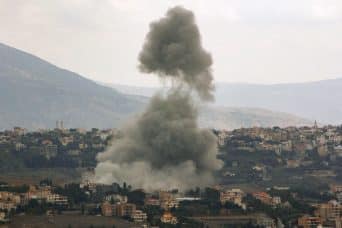
Israel has established a "yellow line" in Lebanon, indicating plans for sustained military operations in the region. This development signals potential escalation of tensions with Hezbollah and suggests a shift toward long-term military commitment rather than temporary intervention.
Israel's declaration of a "yellow line" in Lebanon represents a significant geopolitical shift with implications for regional stability. The term signals a defined boundary or red line—typically used to communicate military intentions and limits to adversaries. This move indicates Israel is preparing for extended military engagement rather than short-term operations, fundamentally altering the calculus of conflict in the region.
The historical context reveals escalating tensions between Israel and Hezbollah have intensified over recent years, with cross-border incidents and military posturing becoming more frequent. Lebanon's political instability and Hezbollah's strengthened military capabilities have created a volatile environment. Israel's decision to formalize military positioning through this "yellow line" suggests frustration with diplomatic channels and a preference for military deterrence.
For cryptocurrency and broader financial markets, geopolitical escalation in the Middle East traditionally increases volatility and risk-off sentiment. Oil prices typically spike during regional tensions, which can affect energy-dependent sectors and create macroeconomic uncertainty. Bitcoin and risk assets often suffer during geopolitical crises as investors seek safe-haven assets like treasuries and gold.
Looking ahead, observers should monitor escalation patterns, Hezbollah's response, and international diplomatic intervention. The sustainability of Israel's military presence depends on international support and regional dynamics. Market participants should watch for oil price movements and broader risk sentiment shifts, as sustained regional conflict could create persistent headwinds for speculative assets.
- →Israel's "yellow line" signals sustained military presence rather than temporary operations in Lebanon
- →Escalating Israel-Hezbollah tensions increase regional instability and geopolitical risk
- →Middle East conflicts typically trigger oil price spikes and risk-off market sentiment
- →Cryptocurrency markets often decline during geopolitical crises as investors seek safe-haven assets
- →International diplomatic intervention and Hezbollah's response will determine conflict trajectory