
Japan considers naval deployment to clear mines in Strait of Hormuz, and crypto markets are watching closely
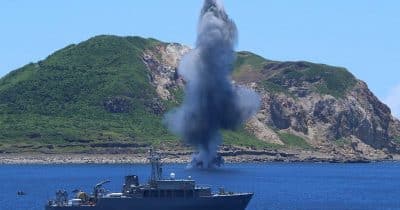
Japan is considering a naval deployment to clear mines from the Strait of Hormuz, a critical chokepoint for global energy supplies. This geopolitical development raises concerns about oil price volatility and broader market stability, with cryptocurrency markets monitoring the situation due to historical correlations between energy security crises and alternative asset valuations.
Japan's contemplation of naval involvement in Hormuz mine-clearing operations signals escalating geopolitical tensions in one of the world's most strategically important waterways. Approximately 21% of global petroleum passes through the Strait, making any disruption to shipping a systemic risk factor for energy markets. Japan's consideration reflects broader regional security concerns and demonstrates how maritime disputes can create knock-on effects across multiple asset classes.
Historically, geopolitical flashpoints affecting energy supplies trigger flight-to-safety dynamics in financial markets. When traditional markets experience uncertainty tied to commodity prices or supply chain disruptions, investors frequently diversify into alternative assets, including cryptocurrencies. The 2022 energy crisis in Europe following Russian sanctions created measurable spikes in crypto trading volumes as investors hedged exposure to volatile energy costs and currency fluctuations.
For cryptocurrency markets specifically, Hormuz-related tensions introduce macro uncertainty that can either drive demand for decentralized alternatives or trigger risk-off selling depending on broader economic conditions. Oil price spikes correlate with inflation concerns, which historically pressure growth assets including crypto. Conversely, geopolitical crises sometimes encourage capital flows into non-state-controlled stores of value.
Market participants should monitor whether this develops into broader regional escalation. If tensions intensify sufficiently to impact global oil supplies materially, expect volatility across equities, commodities, and digital assets. The coming weeks will clarify whether this represents isolated posturing or signals meaningful supply-side risk to global energy markets.
- →Japan's potential Hormuz deployment reflects rising geopolitical tensions affecting 21% of global petroleum flows
- →Energy supply disruptions historically trigger portfolio diversification into alternative assets including cryptocurrencies
- →Oil price volatility stemming from regional instability can inflate broader macro uncertainty affecting crypto markets
- →Investors should monitor escalation patterns as indicators of potential risk-off or flight-to-safety movements
- →Strait of Hormuz incidents create correlations between traditional commodity markets and digital asset valuations