
Kazakhstan plans to ship up to 3 million tons of oil via BTC pipeline in 2026
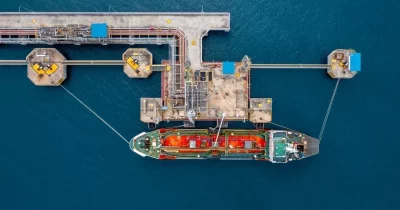
Kazakhstan plans to export up to 3 million tons of oil through the BTC pipeline in 2026, marking a strategic shift away from Russian transport routes. This move aims to reduce geopolitical risk exposure and stabilize regional energy markets amid ongoing tensions.
Kazakhstan's decision to increase oil shipments via the Baku-Tbilisi-Ceyhan (BTC) pipeline represents a significant geopolitical recalibration in Central Asian energy exports. By diversifying away from Russian-controlled infrastructure, Kazakhstan reduces vulnerability to sanctions, transit disruptions, or political leverage that Moscow could exercise over its energy sector. This shift reflects broader regional efforts to establish independent trade corridors that bypass Russian territory.
The BTC pipeline, operational since 2006, has long served as a critical alternative route for Caspian oil exports to global markets through Georgia and Turkey. Kazakhstan's expanded commitment to this corridor signals growing confidence in non-Russian pathways and suggests coordination with regional partners to strengthen energy independence. The 3 million-ton target for 2026 demonstrates concrete capacity planning and confidence in geopolitical stability along the route.
For energy markets and commodity traders, this development creates new price discovery dynamics for crude oil exports outside OPEC+ production frameworks. The diversification reduces systemic risk in global energy supply chains, particularly relevant given ongoing Ukraine-related disruptions. However, the pipeline's capacity constraints and maintenance requirements could limit actual volumes realized.
Investors monitoring geopolitical energy plays should track actual 2026 export figures against this target, potential Turkish or Georgian political developments affecting transit, and whether other Central Asian nations follow Kazakhstan's lead. Regional stability improvements or setbacks along the Caucasus corridor will directly influence execution risk for these export plans.
- →Kazakhstan targets 3 million tons of annual oil exports via BTC pipeline by 2026, reducing dependence on Russian routes
- →The shift diversifies energy infrastructure away from geopolitical leverage points and sanctions risks
- →BTC pipeline capacity and maintenance schedules will be critical constraints on achieving export targets
- →Success depends on sustained stability in Georgia and Turkey, which control transit territories
- →Other Central Asian producers may follow Kazakhstan's model, reshaping regional energy trade patterns