
Pakistani Muslims march in mourning for slain Iranian leader Khamenei
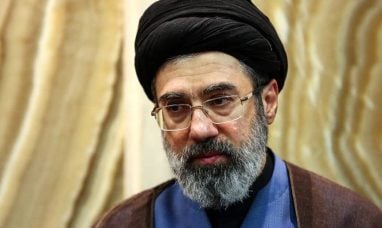
Pakistani Muslims held mourning marches following the death of Iranian leader Khamenei, an event that underscores deepening regional instability in the Middle East. The incident carries implications for Iran's internal leadership succession, US-Iran diplomatic relations, and broader geopolitical tensions that could affect global markets including cryptocurrency and commodities.
The death of Iranian Supreme Leader Khamenei represents a significant geopolitical event with cascading consequences for Middle Eastern stability and international relations. Khamenei's leadership shaped Iran's foreign policy, nuclear negotiations, and regional proxy activities for decades, making his departure a critical inflection point for the region's power structure. The visible mourning demonstrations in Pakistan signal the depth of Shia Muslim solidarity networks across South Asia and the Middle East, reflecting transnational religious and political alignments that influence regional dynamics.
Historically, leadership transitions in Iran have created uncertainty that ripples through global markets. Previous crises involving Iran—sanctions, nuclear tensions, and proxy conflicts—have triggered volatility in oil prices, which indirectly affects cryptocurrency markets through macroeconomic pressure and risk sentiment. The succession question remains unresolved, with various factions within Iran's political establishment likely to compete for influence, potentially destabilizing the region further.
For cryptocurrency and financial markets, geopolitical crises typically drive flight-to-safety behavior, initially benefiting assets like Bitcoin as hedges against traditional market uncertainty. However, sustained regional instability could trigger broader macro volatility, increased oil prices, and central bank policy responses that affect asset valuations globally. The situation warrants monitoring of Iran-related sanctions developments, potential military escalation, and US foreign policy responses that could influence risk appetite.
Investors should track Iran's succession developments, statements from regional powers, and any escalation in proxy conflicts. Commodity markets—particularly oil—may experience price swings that indirectly pressure cryptocurrency valuations through macroeconomic effects.
- →Khamenei's death creates leadership succession uncertainty in Iran with regional geopolitical implications.
- →Pakistani mourning marches demonstrate cross-border Shia Muslim solidarity and transnational political networks.
- →Middle Eastern instability historically correlates with oil price volatility affecting broader asset markets.
- →Cryptocurrency markets may experience flight-to-safety dynamics or macro volatility depending on escalation trajectory.
- →US-Iran relations and potential sanctions developments are critical variables to monitor for market impact.