
KOSPI index rebounds 4% as Samsung, SK Hynix lead recovery
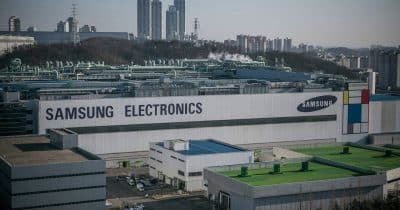
South Korea's KOSPI index rebounded 4% driven by recovery in semiconductor giants Samsung and SK Hynix. The rebound underscores the index's vulnerability to concentration risk, where dependence on a handful of tech leaders creates significant market volatility and systemic instability.
The KOSPI's 4% rebound represents a typical pattern in markets dominated by mega-cap technology stocks. When Samsung and SK Hynix recover, they carry disproportionate weight in the index due to their massive market capitalization, creating outsized influence on overall market performance. This dynamic reveals a structural weakness in the index composition that extends beyond normal sector cyclicality.
South Korea's semiconductor industry faces cyclical pressures tied to global chip demand, inventory levels, and geopolitical tensions affecting supply chains. The reliance on two companies for index direction reflects broader economic challenges in diversification within one of the world's most developed markets. When these giants struggle, the entire index suffers materially; conversely, their recoveries can mask underlying economic weakness elsewhere in the market.
For investors, this concentration presents both opportunity and risk. A rebound in chip demand benefits the index substantially, but it also means diversification within Korean equities is limited. The volatility this creates extends to foreign investors and institutions with exposure to Korean tech stocks, affecting capital flows and currency movements.
The sustainability of this recovery depends on whether the rebound reflects genuine demand improvement or temporary relief from oversold conditions. Monitoring semiconductor order books, inventory cycles, and global tech spending trends becomes critical for assessing whether the KOSPI's upswing signals broader economic resilience or merely relief in one sector.
- →KOSPI's 4% rebound driven almost entirely by Samsung and SK Hynix creates index concentration risk.
- →Market heavily dependent on semiconductor demand cycles and geopolitical supply chain stability.
- →Volatility in mega-cap tech stocks masks potential weaknesses in other economic sectors.
- →Investor diversification within Korean equities remains limited despite overall market size.
- →Sustainability of recovery hinges on genuine chip demand improvement versus temporary oversold relief.