
Kremlin tightens Putin security amid assassination fears, impacting ceasefire odds
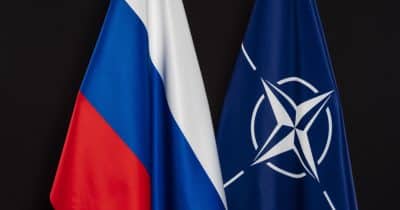
Heightened security measures around Vladimir Putin at the Kremlin may impede diplomatic negotiations between Russia and Ukraine, potentially reducing the likelihood of a ceasefire agreement. This development carries implications for global stability and could indirectly affect cryptocurrency and financial markets sensitive to geopolitical risk.
The Kremlin's decision to intensify security protocols around Putin reflects deeper concerns about personal safety amid ongoing conflict. This defensive posture typically signals heightened threat perception, whether from assassination attempts, internal dissent, or external intelligence operations. Tighter security often correlates with increased isolation of leadership, which can complicate backchannel communications essential for peace negotiations.
The Russia-Ukraine conflict has persisted for over two years, with diplomatic efforts intermittently gaining and losing momentum. When security concerns dominate a leader's agenda, diplomatic flexibility diminishes as advisors prioritize protection over negotiation. Historical precedent shows that isolated leaders tend toward escalatory rather than de-escalatory positions, making ceasefire discussions less likely to progress.
For cryptocurrency and broader financial markets, geopolitical uncertainty traditionally drives investors toward safe-haven assets like gold, government bonds, and stablecoins. Reduced ceasefire prospects increase the probability of prolonged conflict, which sustains elevated global risk premiums and volatility. This environment can benefit defensive crypto positions but undermines risk-on assets and emerging market exposure.
The intersection of security theater and diplomatic stagnation creates a self-reinforcing cycle where each side becomes more entrenched. Markets will monitor upcoming diplomatic statements and any shifts in security protocols as indicators of whether de-escalation remains possible. If Kremlin security measures continue escalating without corresponding diplomatic overtures, investors should anticipate extended geopolitical risk premiums affecting asset valuations.
- →Enhanced Kremlin security suggests leadership isolation that typically hinders diplomatic progress and ceasefire negotiations.
- →Reduced likelihood of Russia-Ukraine peace agreements increases geopolitical risk premiums across financial markets including cryptocurrency.
- →Cryptocurrency markets may see heightened volatility and demand for stablecoins as safe-haven assets amid prolonged conflict uncertainty.
- →Security-focused leadership positions usually precede more hardline negotiating stances rather than compromise-oriented diplomacy.
- →Investors should monitor Kremlin communications and security posture as leading indicators of geopolitical escalation or de-escalation trends.