
Landon Donovan urges US to seize opportunity as World Cup co-host
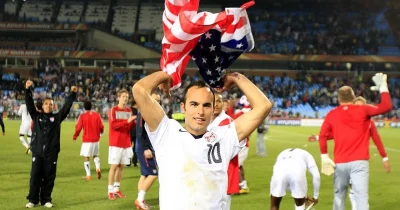
Landon Donovan advocates for the United States to leverage its role as co-host of the 2026 FIFA World Cup to elevate American soccer's international competitiveness and expand grassroots development programs. The tournament presents a strategic opportunity to reshape the nation's sports culture and generate economic benefits through infrastructure investment and increased participation in the sport.
Landon Donovan's call for the US to capitalize on hosting the 2026 World Cup reflects a broader recognition that mega-sporting events serve as inflection points for national sports development. As one of America's most decorated soccer players, Donovan understands that World Cup hosting creates unique infrastructure investment opportunities and global visibility that can fundamentally alter a nation's relationship with the sport. The timing is significant, as US soccer continues its trajectory toward greater mainstream acceptance after years of relative obscurity compared to traditional American sports. Hosting duties provide leverage to accelerate this cultural shift by creating compelling domestic narratives and pathways for youth engagement. The economic dimension extends beyond tourism and stadium revenues; investment in grassroots programs generates long-term human capital development and creates talent pipelines that improve national team performance. Co-hosting arrangements with Canada and Mexico present additional complexities around resource allocation and competitive advantage. The broader sports industry implications include increased sponsorship opportunities, media rights valuations, and equipment manufacturing demand centered on soccer infrastructure. For stakeholders in sports technology, facility development, and youth athletic programs, the 2026 World Cup represents a concentrated growth window. The success of this initiative depends on strategic coordination between government bodies, private investment, and federation leadership to ensure benefits extend beyond elite-level competition into sustainable grassroots development.
- →The 2026 World Cup co-hosting role offers the US a rare opportunity to transform soccer's cultural position domestically.
- →Infrastructure and grassroots investment during World Cup preparation can generate long-term economic returns.
- →Successful development programs could improve the US national team's competitive standing internationally.
- →Sports industry stakeholders including sponsors, media rights holders, and equipment manufacturers stand to benefit significantly.
- →Coordination between government, private sector, and federation bodies is critical to maximizing the event's impact.