
Lavrov says soldiers will decide Russia-Ukraine war outcome, not talks
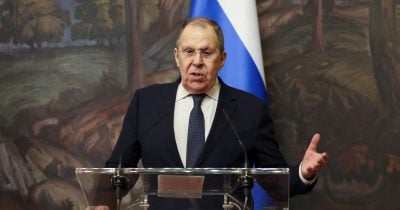
Russian Foreign Minister Lavrov stated that military force, not diplomatic negotiations, will determine the outcome of the Russia-Ukraine conflict, signaling Moscow's rejection of near-term peace talks. This hardline position suggests the war will persist longer, creating sustained geopolitical uncertainty that affects global economic stability and cryptocurrency market volatility.
Lavrov's declaration that soldiers rather than diplomats will decide the war's outcome represents a significant escalation in rhetoric and a deliberate shutdown of negotiation pathways. This statement removes ambiguity about Russia's intentions and suggests Moscow is committed to military objectives rather than a negotiated settlement. The timing and directness of this message indicate either confidence in military progress or a strategic decision to entrench positions, both of which prolong the conflict.
Historically, geopolitical conflicts of this magnitude have driven capital flows toward safe-haven assets and away from risk assets. The Russia-Ukraine war has already triggered commodity price spikes, energy market disruptions, and heightened macro volatility. A prolonged conflict deepens these effects, creating structural uncertainty that markets struggle to price accurately.
For cryptocurrency investors, protracted geopolitical crises typically correlate with increased volatility and flight-to-quality dynamics. Bitcoin and other cryptocurrencies have shown mixed responses to geopolitical tensions—sometimes rallying as inflation hedges, sometimes declining alongside equities during risk-off periods. Extended conflict increases the probability of broader sanctions regimes, energy rationing in Europe, and potential recession, all of which ripple through digital asset markets.
Market participants should monitor escalation indicators, sanctions announcements, and commodity price movements as leading indicators for crypto volatility. Central bank policy responses to stagflation pressures caused by prolonged conflict will likely prove more influential than the conflict itself on digital asset valuations. The absence of diplomatic off-ramps suggests investors should prepare for sustained macro uncertainty rather than near-term resolution.
- →Lavrov's statement eliminates diplomatic resolution as a near-term outcome, extending conflict duration indefinitely.
- →Prolonged geopolitical conflict typically increases macro volatility, affecting cryptocurrency price action and capital flows.
- →Extended energy market disruption and sanctions risk could accelerate inflation, influencing central bank policy decisions.
- →Cryptocurrency markets may experience sustained volatility as investors reassess safe-haven and inflation-hedge dynamics.
- →Geopolitical risk premiums embedded in commodity and equity markets create indirect pressure on digital asset valuations.