
Lebanese army to deploy in IDF-vacated areas under US supervision
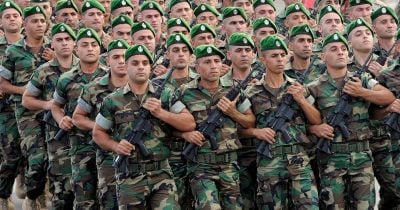
The Lebanese army is set to deploy in areas vacated by Israeli Defense Forces under US supervision, a development that could stabilize the region and reshape geopolitical dynamics. This military repositioning may have cascading effects on Middle Eastern stability and investor sentiment toward emerging markets.
The Lebanese army's deployment into IDF-vacated territories represents a significant shift in regional military positioning and governance structures. This arrangement, brokered under US supervision, suggests an international effort to prevent power vacuums that could be exploited by non-state actors or rival powers. The deployment aims to establish legitimate state authority in previously contested or contested zones, a critical step toward institutional stabilization in Lebanon's fragile political landscape.
This development emerges from decades of Lebanese state weakness, Israeli military presence, and the influence of various militant groups in border regions. The US-supervised framework indicates diplomatic coordination between previously opposing parties, suggesting potential de-escalation in a conflict zone that has repeatedly destabilized regional markets. Lebanon's economic crisis and currency collapse have made geopolitical certainty particularly valuable for both institutional and retail investors monitoring Middle Eastern exposure.
For cryptocurrency and broader financial markets, regional stability announcements typically reduce risk premiums on emerging market assets and can shift safe-haven demand away from defensive positions. A sustained Lebanese stabilization could gradually improve investor confidence in regional emerging markets, though cryptocurrency markets show limited direct correlation to such geopolitical developments unless sanctions or capital controls emerge.
Investors should monitor whether this deployment leads to tangible institutional reforms, reduced security incidents, and improved investment conditions in Lebanon. The success or failure of this arrangement will signal broader US commitment to Middle Eastern stabilization and may influence risk assessments for regional exposure across asset classes.
- →Lebanese army deployment in IDF-vacated areas aims to establish state authority and prevent power vacuums in border regions.
- →US supervision indicates international diplomatic coordination toward de-escalation in a historically volatile zone.
- →Successful stabilization could gradually reduce risk premiums on emerging market assets and improve regional investor sentiment.
- →Cryptocurrency markets show limited direct impact unless developments trigger capital controls or new regulatory restrictions.
- →Long-term success depends on institutional reforms and sustained security improvements rather than military positioning alone.