
Israeli forces destroy 39 villages in southern Lebanon, ceasefire at risk
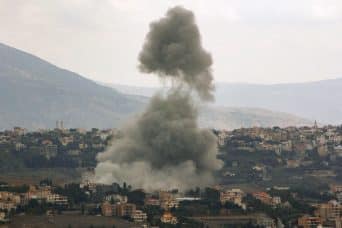
Israeli forces have destroyed 39 villages in southern Lebanon, escalating regional tensions and threatening an active ceasefire agreement. This geopolitical escalation increases systemic risk and market volatility across risk assets, including cryptocurrency markets sensitive to broader macroeconomic instability.
The destruction of 39 villages in southern Lebanon represents a significant escalation in regional conflict, directly undermining ceasefire negotiations and raising the prospect of renewed large-scale military confrontation. This development occurs amid fragile peace efforts and demonstrates how quickly regional stability can deteriorate when military operations expand beyond contained operations into systematic destruction of civilian infrastructure.
The Middle East has historically served as a geopolitical flashpoint capable of disrupting global energy markets, supply chains, and investor sentiment. Previous escalations in the region have triggered capital flight toward safe-haven assets, currency volatility, and broader macroeconomic uncertainty. The threat to ceasefire agreements elevates the risk premium across markets as investors reassess exposure to regional instability.
Cryptocurrency markets, particularly Bitcoin and other risk assets, respond predictably to geopolitical crises by experiencing increased volatility and occasional flight-to-quality pressures. When regional conflicts threaten to expand, institutional investors typically reduce exposure to high-risk assets and increase allocations to uncorrelated safe-haven positions. Elevated geopolitical risk also strengthens the narrative around Bitcoin's role as a hedge against state-level conflict and currency debasement, potentially supporting long-term demand from macro investors.
Market participants should monitor escalation indicators closely, including statements from international mediators, casualty reports, and any signs of broader coalition involvement. If ceasefire collapse leads to sustained military operations, expect increased cryptocurrency volatility corresponding with broader equities and commodities selloffs. The coming weeks will determine whether diplomatic channels can stabilize the situation or whether regional conflict expands further.
- →Israeli military operations destroying 39 southern Lebanon villages threaten active ceasefire arrangements and regional stability.
- →Geopolitical crises in the Middle East historically trigger capital flight and increase risk asset volatility, including cryptocurrency markets.
- →Escalating conflict could strengthen Bitcoin's narrative as a geopolitical hedge while creating near-term price volatility.
- →Market participants should monitor ceasefire status and diplomatic developments as primary indicators for broader macroeconomic impact.
- →Sustained military expansion beyond current scope could trigger institutional portfolio rebalancing away from risk assets.