
Lebanon’s president calls for direct talks with Israel amid 2026 peace efforts
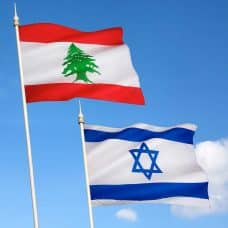
Lebanon's president has initiated a diplomatic shift by calling for direct talks with Israel as part of 2026 peace efforts. While the diplomatic engagement may reduce immediate military tensions, the success of any peace agreement depends on resolving contentious issues including troop withdrawals and territorial disputes.
Lebanon's presidential call for direct negotiations with Israel represents a significant diplomatic pivot in a region characterized by decades of conflict and proxy warfare. This development emerges as both nations face pressure to reduce military escalation, with the proposed 2026 timeline suggesting a structured approach to peace-building. The initiative signals that political leadership in Beirut is prioritizing negotiation over confrontation, potentially reflecting changing regional dynamics and international pressure.
The historical context of Lebanon-Israel relations involves multiple wars, border disputes, and the complex presence of Hezbollah, which has functioned as both a political party and military organization. Previous ceasefire agreements, including the 2006 UN-brokered arrangement, have faced implementation challenges. The current diplomatic effort must navigate these entrenched positions while addressing the practical mechanics of military disengagement.
For cryptocurrency and blockchain markets, geopolitical stability in the Middle East carries indirect significance. Regional conflicts typically elevate safe-haven asset demand and create macroeconomic uncertainty that affects capital flows. A reduction in Lebanon-Israel tensions could diminish risk premiums in emerging markets and potentially stabilize regional financial conditions, though the impact on crypto markets would be modest compared to broader geopolitical factors like US-Iran relations or Gulf security architecture.
The critical variable remains implementation. Previous agreements have stalled on troop withdrawal verification and security guarantees. Success requires international oversight mechanisms and sustained political will from both parties. The 2026 timeline provides runway for negotiation but offers no guarantee of resolution.
- →Lebanon's president is pursuing direct negotiations with Israel under a 2026 peace framework
- →Troop withdrawals and territorial resolution remain the most contentious unresolved issues
- →Successful diplomacy could reduce regional military tension and stabilize emerging markets
- →Historical precedent suggests implementation challenges are more significant than initial agreement
- →Indirect positive effects on crypto markets would depend on broader Middle East stabilization