
Neutron Holdings prepares for IPO as Lime eyes electric bike growth
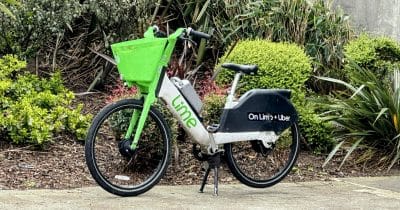
Neutron Holdings, the parent company of Lime, is preparing for an initial public offering as the micromobility leader pursues electric bike expansion. The IPO signals market confidence in sustainable transportation despite profitability challenges facing the sector.
Lime's IPO preparation represents a critical inflection point for the micromobility industry, which has struggled to achieve profitability while scaling operations globally. The company's transition from venture capital funding to public markets validates investor appetite for sustainable transportation solutions, even as questions persist about unit economics and path to profitability. This move occurs within a broader market recovery for alternative mobility platforms, following years of consolidation and operational restructuring across the sector.
The timing reflects favorable macroeconomic conditions for growth-stage companies and renewed institutional interest in ESG-aligned investments. Lime's focus on electric bike expansion suggests the company is repositioning away from scooters toward higher-margin, longer-duration rides that improve per-user economics. This strategic pivot aligns with consumer preferences for safer, weather-resistant micromobility options and addresses regulatory pressures that have constrained scooter operations in major cities.
The IPO will test whether public market investors view micromobility as a solved logistics problem with sustainable unit economics or remain skeptical of a business model dependent on urban density and regulatory cooperation. Success would unlock capital for aggressive international expansion and infrastructure improvements, potentially accelerating industry consolidation. Alternatively, tepid investor reception could signal that micromobility remains a challenged sector requiring continued venture funding and strategic partnerships rather than standalone viability.
- →Lime's IPO preparation demonstrates sustained investor confidence in sustainable transportation despite historical profitability challenges
- →Electric bike expansion suggests a strategic shift toward higher-margin mobility solutions with improved unit economics
- →Public market reception will reveal investor appetite for micromobility as an infrastructure asset class versus speculative growth play
- →Success could accelerate consolidation and enable Lime to compete with traditional transportation incumbents
- →Regulatory environment and urban infrastructure development remain critical variables for long-term viability