
MEMECORE’s $M token crashes 75%, wiping out $3B in value
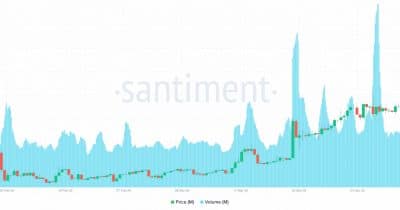
MEMECORE's $M token experienced a catastrophic 75% price collapse, erasing approximately $3 billion in market value. The crash exposes critical vulnerabilities in meme token projects, particularly inadequate liquidity infrastructure and concentrated token ownership that enables rapid value destruction.
The $M token collapse represents a significant stress test for the meme coin sector, revealing how structural weaknesses can trigger cascade failures regardless of community enthusiasm. When liquidity pools lack sufficient depth relative to token supply concentration, large holders can trigger violent price swings through relatively modest sell pressure. This dynamic transforms meme tokens from speculative assets into instruments of extreme volatility where market structure determines outcomes more than fundamentals.
Meme token projects have proliferated across multiple blockchains with minimal governance frameworks or mechanisms to distribute ownership equitably. Many launched with tokenomic designs that inadvertently created exit traps—situations where early investors and large stakeholders can only realize gains by depositing tokens into shallow liquidity pools. MEMECORE's governance challenges suggest decision-making authority remained centralized or insufficiently transparent, preventing community intervention before the crash accelerated.
For retail investors, the $3 billion value destruction underscores why meme tokens demand extreme caution despite their cultural appeal. The loss primarily impacted retail holders rather than sophisticated traders who likely liquidated positions earlier. Developers and projects observing this event face pressure to implement multi-sig governance, progressive token unlocking schedules, and deep initial liquidity commitments to differentiate themselves.
Market observers should monitor whether this crash influences regulatory discussions around meme tokens or triggers exchange delisting policies. Projects demonstrating transparent ownership distribution and robust liquidity mechanisms may attract investors fleeing higher-risk alternatives. The incident also raises questions about exchange responsibilities in listing tokens with obvious structural vulnerabilities.
- →Low liquidity combined with concentrated ownership enables rapid, catastrophic price collapses in meme tokens.
- →Governance failures in meme projects allow structural vulnerabilities to persist until forced by market corrections.
- →The $3 billion loss predominantly impacted retail investors lacking early exit opportunities.
- →Meme token projects must implement transparent ownership distribution and adequate liquidity infrastructure to survive scrutiny.
- →Regulatory bodies may increasingly scrutinize meme token listings on centralized exchanges following major collapses.