
The weather and climate science AI revolution isn’t revolutionary
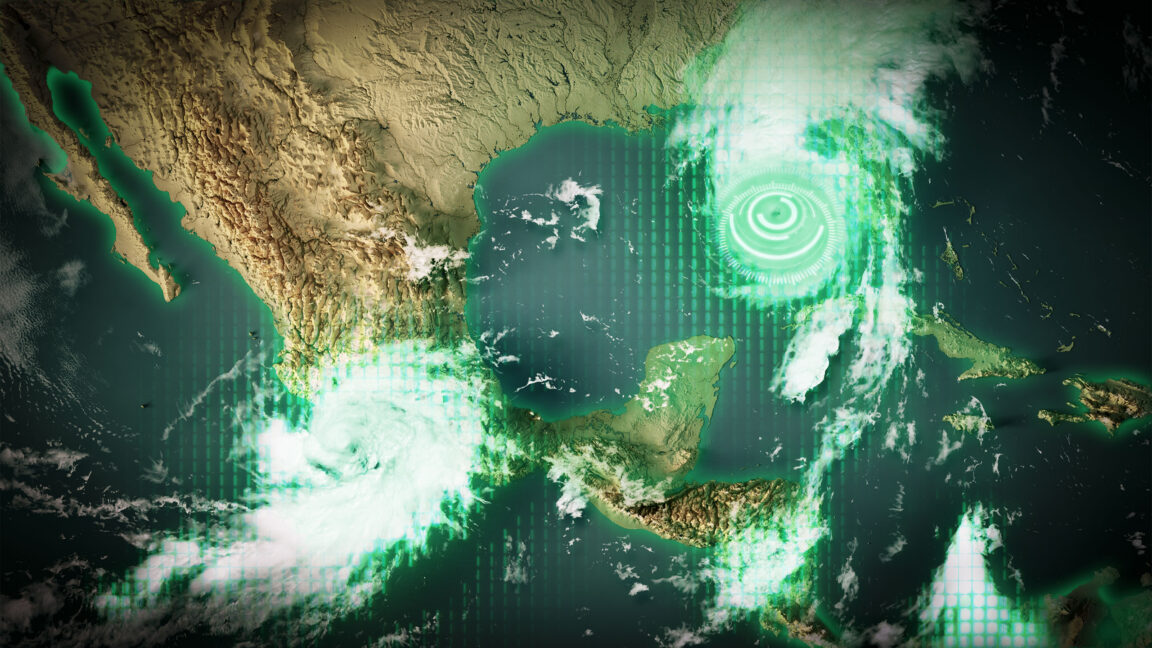
The article examines the limitations of machine learning in weather and climate science, arguing that despite significant hype, AI applications in these fields face fundamental constraints. The piece emphasizes that while ML tools are useful, they don't represent a revolutionary breakthrough and must be understood within realistic operational boundaries.
Machine learning has become a focal point for solving weather prediction and climate modeling challenges, yet the technology operates within meaningful constraints that temper expectations. The article challenges the narrative that AI will revolutionize these domains, instead positioning machine learning as a specialized tool with practical but limited applications. These limitations stem from inherent challenges in climate science—data scarcity in certain regions, the complexity of physical systems, and the difficulty of training models on phenomena with limited historical precedent.
Historically, weather forecasting and climate modeling relied entirely on physics-based computational models developed over decades. Machine learning emerged as an alternative or complementary approach, offering faster inference times and pattern recognition capabilities. However, this evolution doesn't signal a paradigm shift but rather an expansion of the methodological toolkit. The technology proves most effective for specific, narrow tasks within broader forecasting systems rather than end-to-end climate prediction.
For researchers, meteorologists, and organizations developing climate technologies, the practical implication is clear: ML should augment existing approaches rather than replace them. Companies and institutions investing in climate AI must calibrate expectations and allocate resources accordingly. Rather than seeking transformative breakthroughs, stakeholders should focus on incremental improvements where machine learning excels—such as post-processing forecasts or pattern detection in observational data.
Looking ahead, the field will likely see continued integration of ML within hybrid systems that combine physics-based modeling with data-driven components. Success depends on realistic assessment of capabilities rather than venture-capital-driven hype cycles.
- →Machine learning has meaningful but limited applications in weather and climate science, not revolutionary potential.
- →ML works best as a complementary tool within existing physics-based modeling systems rather than as a replacement.
- →Realistic expectations about AI capabilities drive better resource allocation and more sustainable progress.
- →Data scarcity and physical system complexity remain fundamental constraints that no algorithm currently overcomes.
- →Hybrid approaches combining traditional computational models with machine learning represent the most practical path forward.