
Macron denies French vessel targeted in Hormuz, easing UK warship concerns
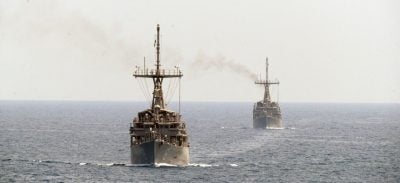
French President Macron has denied reports that a French vessel was targeted in the Strait of Hormuz, a statement that eases tensions and reduces the likelihood of UK military escalation in the region. This de-escalation effort signals diplomatic progress in managing Middle Eastern tensions that could otherwise impact global trade and market stability.
Macron's denial regarding the alleged targeting of a French vessel represents a significant diplomatic move to de-escalate mounting tensions in the Strait of Hormuz, one of the world's most critical chokepoints for global energy trade. The clarification addresses concerns that had raised alarms about potential military intervention, particularly regarding British warship involvement in the volatile region. By publicly denying the incident, Macron reduces the narrative around military escalation and emphasizes diplomatic resolution instead.
This incident occurs within a broader context of increasing geopolitical tension in the Persian Gulf. The region has experienced recurring incidents involving vessels, maritime security concerns, and competing interests from multiple global powers. Previous incidents have created uncertainty about shipping routes and energy supplies, factors that directly influence market volatility and investor sentiment.
For cryptocurrency and broader financial markets, regional stability in the Middle East carries material importance. Geopolitical crises affecting oil supply chains and international trade typically trigger flight-to-safety asset movements, including increased Bitcoin and gold demand. Conversely, de-escalation efforts reduce risk premiums and can support risk-on market sentiment. The stabilization of Hormuz tensions suggests lower probability of sudden supply shocks that would disrupt global markets.
Looking ahead, observers should monitor whether de-escalation efforts continue or whether new incidents emerge. Any military confrontations or shipping disruptions would immediately pressure crude oil prices and trigger volatility across traditional and digital asset markets. Sustained diplomatic engagement in the region would support gradual normalization of energy markets and reduced geopolitical risk premiums.
- →Macron's denial reduces immediate military escalation risks in the Strait of Hormuz
- →De-escalation efforts lower geopolitical risk premiums that typically drive flight-to-safety asset movements
- →Stable shipping routes in the Persian Gulf support predictable energy markets and reduced volatility
- →Future incidents could quickly reverse current stabilization and trigger market-wide risk-off sentiment
- →Diplomatic progress in Middle East tensions typically supports risk-on sentiment across financial markets