
Macron urges US-Iran coordination as Trump orders military guidance in Hormuz
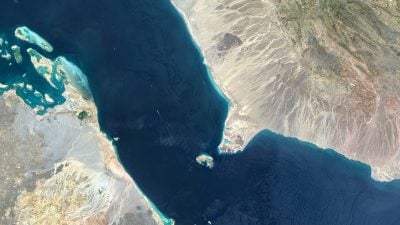
French President Macron is pushing for diplomatic coordination between the US and Iran over Strait of Hormuz tensions, while President Trump simultaneously orders military guidance in the region. The dual approach—combining diplomatic and military messaging—signals potential de-escalation that could stabilize oil markets and reduce geopolitical risk premiums affecting crypto and traditional assets.
The convergence of diplomatic and military signaling from Western leaders reflects a measured approach to Middle East tensions centered on the Strait of Hormuz, a critical chokepoint for global energy supplies. Macron's coordination call and Trump's military positioning represent competing but potentially complementary strategies: diplomacy to reduce escalation risks while maintaining credible deterrence. This dynamic is significant because Hormuz disruptions directly impact crude oil prices, which influence broader macroeconomic conditions and risk sentiment across asset classes including cryptocurrencies.
Historically, Hormuz tensions have driven oil volatility and flight-to-safety rallies benefiting both traditional safe havens and cryptocurrencies as alternative stores of value. The current situation emerges from longstanding US-Iran friction, with recent escalations threatening regional stability. Unlike pure military posturing, Macron's diplomatic component suggests world powers recognize the economic costs of prolonged tensions, potentially limiting extreme oil price spikes.
For crypto markets, sustained geopolitical risk typically reduces institutional appetite for risk assets but can support Bitcoin and gold as uncorrelated hedges. Oil price stability from successful de-escalation would diminish this hedging premium, potentially applying downward pressure on crypto valuations dependent on macro uncertainty. Energy market stability also reduces inflation concerns that influence broader monetary policy expectations.
Investors should monitor whether this diplomatic-military balance holds or deteriorates. Failed coordination could trigger regional conflict, spiking oil above $100 and driving crypto toward safe-haven narratives. Successful de-escalation conversely signals confidence in macro stability, potentially redirecting capital toward productive assets and away from speculative hedges.
- →Macron's diplomatic push combined with Trump's military positioning suggests measured de-escalation rather than conflict escalation in the Hormuz region.
- →Strait of Hormuz stability directly impacts crude oil prices, which influence broader macro conditions affecting cryptocurrency valuations.
- →Successful de-escalation could reduce geopolitical risk premiums currently supporting crypto as a macro hedge, applying downward pressure on assets dependent on uncertainty.
- →Failed coordination or renewed tensions would spike oil prices and likely drive increased institutional demand for Bitcoin and cryptocurrencies as alternative stores of value.
- →Traders should monitor diplomatic developments and military positioning as leading indicators for oil volatility and subsequent risk asset volatility.