
Giovanni Malago takes helm of Italian football after historic World Cup drought
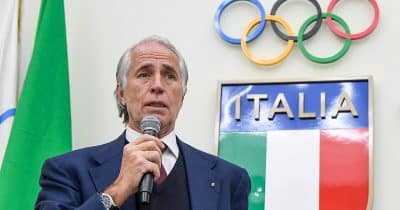
Giovanni Malago has assumed leadership of Italian football following the nation's historic failure to qualify for the World Cup. His appointment signals a potential restructuring of Italian football's institutional approach, with implications for the country's sporting prestige and economic returns from football-related ventures.
Giovanni Malago's transition into Italian football leadership represents a significant institutional shift for a nation accustomed to World Cup participation. Italy's absence from consecutive World Cups marks an unprecedented modern era drought, prompting organizational overhaul. Malago's track record in sports administration suggests a data-driven, modernization-focused approach that could reshape Italian football's competitive framework and institutional governance.
Historically, Italian football has served as both a cultural cornerstone and economic engine, generating substantial revenue through broadcasting rights, merchandise, and sponsorships. The World Cup qualification failures have directly impacted these revenue streams while damaging the nation's sporting brand internationally. Italy's football infrastructure, once synonymous with tactical excellence and defensive mastery, requires institutional restructuring to restore competitive performance.
Malago's leadership carries implications beyond athletic performance. Enhanced institutional efficiency could attract greater investment from tech-forward sponsors, including blockchain-based partnerships and digital asset opportunities that modern sports organizations increasingly pursue. Improved competitive outcomes would restore premium valuations for broadcasting rights and sponsorship deals. However, revitalization requires 2-4 years minimum to demonstrate tangible results through youth development and tactical innovation.
Stakeholders should monitor whether Malago's tenure produces measurable improvements in youth academy performance, coaching staff modernization, and competitive results in European competitions. Success would signal Italian football's capacity for institutional renewal, potentially attracting new investment categories including digital sports platforms and emerging fintech partnerships within the sports ecosystem.
- →Malago's appointment signals institutional restructuring aimed at restoring Italian football's competitive standing and global market position
- →Italy's World Cup qualification failures have directly eroded revenue streams from broadcasting, sponsorship, and merchandise channels
- →Modernized governance could attract blockchain-based sponsorships and digital asset partnerships increasingly common in professional sports
- →Tangible competitive improvements require 2-4 years through youth development and coaching staff modernization efforts
- →Restored performance would enhance broadcasting rights valuations and premium sponsorship deal negotiations