
Manchester United secures land for new 100,000-seat stadium
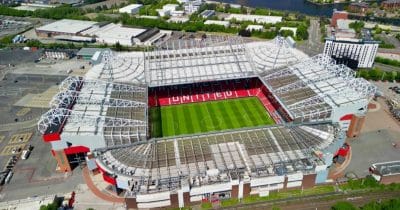
Manchester United has secured land for a new 100,000-seat stadium, a development expected to substantially increase the club's revenue and market valuation. This infrastructure investment has implications extending beyond sports into global financial markets.
Manchester United's acquisition of land for a new 100,000-seat stadium represents a major capital investment in sports infrastructure that carries significance for investors monitoring large-scale real estate and sports equity valuations. The project signals the club's commitment to modernizing its facilities, which directly correlates with enhanced matchday revenues, improved hospitality offerings, and expanded commercial opportunities. Premier League clubs increasingly leverage stadium capacity and amenities as primary value drivers, and Manchester United's move positions it competitively within this landscape.
This development follows years of speculation about Old Trafford's aging infrastructure. Major European football clubs have demonstrated that new stadiums generate substantial revenue uplift through premium seating, enhanced sponsorship deals, and improved fan experiences. Manchester United, already operating at significant valuation multiples, stands to capture incremental revenue streams that could accelerate market value growth.
The broader implications extend to real estate markets, construction sector demand, and sports equity valuations globally. Institutional investors tracking sports assets and infrastructure plays will monitor this project's financing structure and timeline. The stadium's completion could trigger a valuation revaluation of Manchester United, affecting any future IPO or stake sales.
Key variables to monitor include project financing sources, construction timelines, regulatory approvals, and estimated capacity utilization rates. The club's ability to execute this project while maintaining competitive performance will determine whether revenue projections materialize. Additionally, the financing mechanism—whether through debt, equity raises, or partnerships—will influence ownership structures and investor returns.
- →Manchester United secures land for new 100,000-seat stadium to modernize aging Old Trafford facilities
- →Stadium modernization expected to generate substantial revenue increases through premium seating and sponsorship opportunities
- →Project has significant implications for sports equity valuations and real estate markets globally
- →Financing structure and construction timeline remain critical factors determining project success and investor returns
- →Stadium completion could trigger valuation revaluation affecting Manchester United's market position and investor interest