
Micron Technology ranks third in S&P 500, but valuation raises concerns
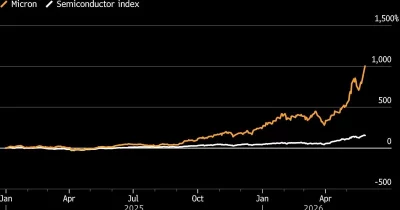
Micron Technology has achieved the third-highest valuation in the S&P 500, driven by AI chip demand, yet analysts warn the company faces inherent valuation risks due to the cyclical nature of the memory semiconductor market. The tension between long-term AI growth prospects and historical market cycles raises questions about sustainable valuations in the chip sector.
Micron Technology's rise to the third-highest S&P 500 valuation reflects broader market dynamics where artificial intelligence adoption is reshaping investor sentiment across the semiconductor industry. The company benefits from surging demand for high-bandwidth memory and advanced chips powering data centers, large language models, and AI infrastructure expansion. This valuation surge demonstrates how transformative technologies can rapidly elevate traditionally cyclical industries into growth narratives.
Historically, memory chip manufacturers have experienced severe boom-bust cycles driven by supply-demand imbalances and rapid technological obsolescence. Micron itself endured multiple downturns during previous chip cycles, making the company's current premium valuation particularly notable. The current AI boom has convinced investors that this cycle differs fundamentally—that AI demand will sustain higher capacity utilization and pricing power longer than previous cycles.
The valuation tension stems from a critical disconnect: while AI adoption appears durable and expanding, memory chip production remains subject to competitive capacity expansion, potential overbuilding, and demand normalization once initial deployments mature. If multiple competitors simultaneously scale production to capitalize on AI demand, the industry could face margin compression despite sustained absolute growth. Investors betting on Micron at elevated multiples implicitly assume AI-driven demand will outpace supply additions for years.
Market participants should monitor Micron's quarterly guidance regarding memory pricing trends, competitor capacity announcements, and AI infrastructure spending forecasts. Any signals of demand softening or accelerated competitive supply could trigger significant valuation repricing given current premium multiples.
- →Micron's S&P 500 ranking reflects AI hype but ignores the memory chip industry's historical boom-bust cycles
- →Current valuation assumes sustained AI demand will prevent the cyclical oversupply patterns that previously plagued chip manufacturers
- →Competitive capacity expansion by rivals could compress margins despite absolute demand growth from AI applications
- →Investors should monitor quarterly memory pricing trends and competitor supply announcements as key revaluation triggers
- →The gap between AI narrative valuations and cyclical semiconductor fundamentals presents both opportunity and downside risk