
Microsoft's Project Solara is an Android OS designed for agents instead of apps
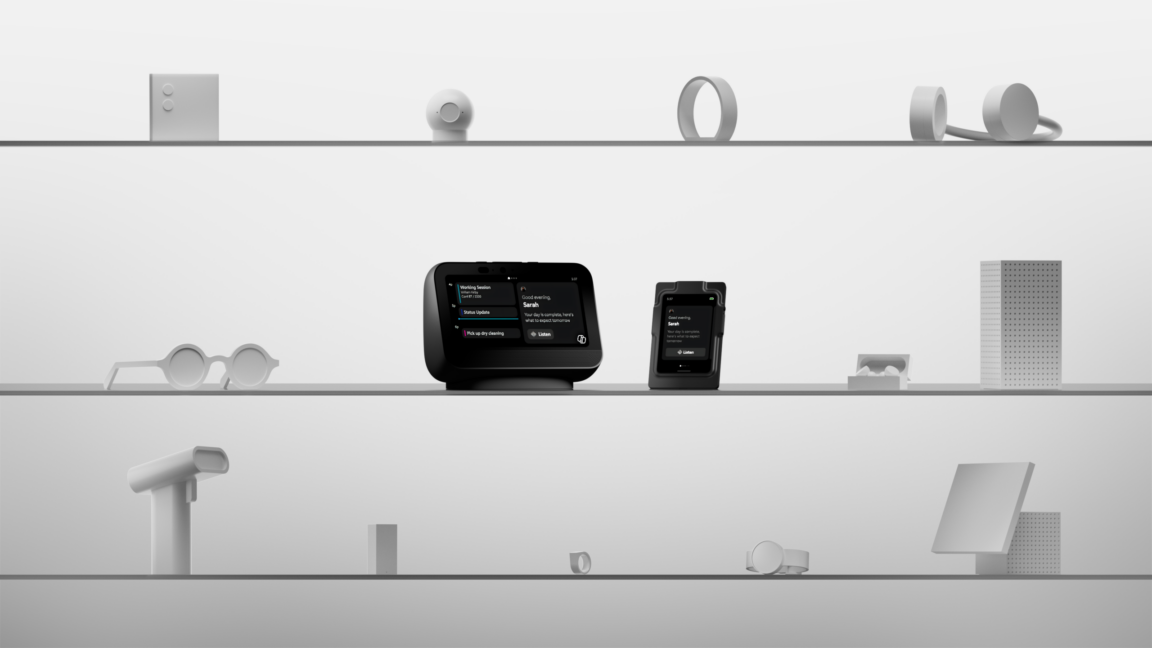
Microsoft has unveiled Project Solara, an Android-based operating system designed to run AI agents rather than traditional applications. This strategic pivot reflects Microsoft's recognition that it missed the mobile app era and is now positioning itself for an AI-agent-centric computing paradigm.
Microsoft's Project Solara represents a fundamental shift in how the company approaches operating systems and user interaction. Rather than competing in a mature mobile app market where competitors like Apple and Google have dominant positions, Microsoft is betting on AI agents as the next computing interface. This move acknowledges the company's failure to establish meaningful presence in the smartphone era while attempting to establish leadership in what many believe will be the next major computing paradigm.
The broader context reveals a tech industry increasingly focused on autonomous AI systems that operate on behalf of users. Companies across sectors are investing heavily in agent-based architectures, recognizing that conversational AI and autonomous task execution represent the frontier of human-computer interaction. Microsoft's existing strengths in AI through OpenAI partnerships and Copilot integration provide the foundation for this shift.
For developers and enterprises, this signals a new opportunity space separate from traditional app development. Organizations that understand agent architecture and multi-step autonomous task execution will find competitive advantages. The platform could attract developers frustrated with traditional app store economics and distribution challenges.
Looking ahead, the success of Project Solara depends on whether AI agents genuinely become the primary computing interface. If the industry transitions toward agent-first computing, early platform choices could determine long-term market position. Competitors including Google, Apple, and emerging startups will likely pursue similar strategies, making this a pivotal moment for defining the next computing era.
- →Microsoft is shifting focus from traditional apps to AI agents as the primary computing interface
- →Project Solara running on Android acknowledges Microsoft's historical mobile market disadvantage
- →The move positions Microsoft to capture emerging market share in agent-based computing before competitors establish dominance
- →Developers will need to adopt new paradigms focused on autonomous task execution rather than traditional app development
- →This represents a strategic bet that AI agents, not applications, will define the next era of personal computing