
Microsoft unveils seven new MAI models, led by CEO Mustafa Suleyman
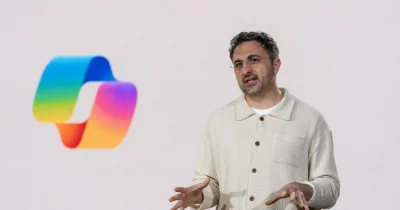
Microsoft has unveiled seven new proprietary AI models under CEO Mustafa Suleyman's leadership, strengthening the company's position in enterprise AI solutions. This expansion consolidates Microsoft's control over the AI market and could reshape competitive dynamics among tech giants.
Microsoft's introduction of seven new proprietary AI models represents a significant strategic move in the intensifying competition for AI dominance. Under Mustafa Suleyman's leadership, the company is doubling down on building vertically integrated AI solutions that give Microsoft greater control over its product stack and enterprise offerings. This approach allows Microsoft to differentiate itself from competitors while reducing dependency on third-party AI providers.
The timing of this announcement reflects broader industry trends where major technology companies are shifting from consuming AI capabilities to building proprietary systems. This follows Microsoft's substantial investments in OpenAI and demonstrates the company's commitment to owning multiple layers of AI infrastructure and applications. The move mirrors strategies employed by Google, Meta, and other tech giants seeking to establish moats through proprietary technology.
From a market perspective, this expansion directly impacts enterprise customers, developers, and competing AI providers. Organizations using Microsoft's ecosystem gain access to more specialized models tailored for specific business problems, potentially increasing switching costs. Competitors face pressure to accelerate their own model development or risk losing market share in critical enterprise segments. Developers building on Microsoft's platforms gain more tools but may become increasingly locked into the Microsoft ecosystem.
Looking ahead, the success of these models will depend on their performance, integration capabilities, and developer adoption. The industry should monitor whether these proprietary models achieve sufficient differentiation to justify their development costs and whether they integrate seamlessly with Microsoft's existing Azure and Microsoft 365 offerings.
- →Microsoft launches seven new proprietary AI models, strengthening enterprise control and reducing reliance on third-party AI providers.
- →The expansion reflects broader tech industry trend toward vertical integration and proprietary AI infrastructure development.
- →Enterprise customers gain specialized models but face increasing lock-in to the Microsoft ecosystem.
- →Competing AI providers face pressure to accelerate model development to remain competitive.
- →Integration with existing Microsoft products and developer adoption will be critical success factors.