
President vows all means to end Middle East conflict amid ceasefire talks
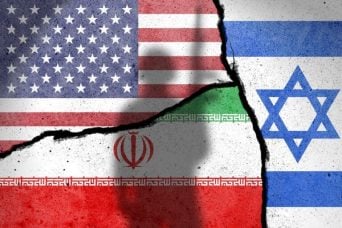
A president has committed to using all available diplomatic means to resolve an ongoing Middle East conflict, with ceasefire negotiations currently underway. While the diplomatic initiative signals potential for de-escalation, market participants remain skeptical about the likelihood of a successful resolution, suggesting uncertainty about outcomes.
Geopolitical tensions in the Middle East have historically served as a significant risk factor for global financial markets, including cryptocurrency and digital asset valuations. Presidential commitment to diplomatic resolution attempts to reduce escalation risks, which typically correlate with flight-to-safety behavior in traditional markets and increased volatility in risk assets like cryptocurrencies. The articulated diplomatic approach contrasts with military intervention scenarios, theoretically favoring risk-on market conditions.
Ceasefire negotiations in Middle Eastern conflicts have produced mixed results historically, with numerous failed attempts preceding successful agreements. Market skepticism reflected in the article suggests investors are pricing in the probability that talks may not reach resolution, creating an environment of heightened uncertainty rather than confidence. This hesitation is rational given the complexity of regional actors, competing interests, and previous diplomatic stalemates.
For cryptocurrency markets, geopolitical risk typically drives two competing dynamics: increased institutional hedging demand supporting prices during crisis periods, and reduced risk appetite during extended uncertainty. The current ambiguous positioning—with commitment to talks but low confidence in outcomes—may sustain elevated volatility without providing clear directional bias. Traders should monitor the trajectory of negotiations and any escalatory rhetoric that could shift market sentiment sharply.
The coming weeks will prove critical in determining whether diplomatic momentum builds or stalls. Any significant escalation would likely trigger risk-off positioning across digital assets, while unexpected breakthrough developments could enable relief rallies.
- →Presidential commitment to diplomacy may reduce near-term escalation risks in the Middle East
- →Market skepticism suggests low confidence in ceasefire negotiations reaching successful resolution
- →Geopolitical uncertainty typically creates elevated volatility in cryptocurrency markets without clear directional bias
- →Flight-to-safety dynamics could support both traditional safe havens and crypto hedges depending on escalation trajectory
- →Traders should establish monitoring protocols for negotiation progress and rhetoric changes