
Middle East conflict impacts South Africa tourism amid Strait of Hormuz tensions
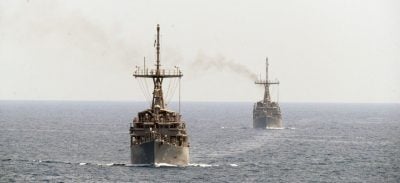
Middle East geopolitical tensions are creating cascading economic effects across unrelated sectors globally, with South Africa's tourism industry experiencing measurable disruption amid Strait of Hormuz shipping concerns. The article underscores how regional conflicts trigger international supply chain and economic ripples that extend far beyond immediate conflict zones.
Geopolitical tensions in the Middle East demonstrate the interconnected nature of global markets and supply chains. When conflict escalates near critical chokepoints like the Strait of Hormuz, the consequences reverberate through seemingly unrelated industries worldwide. South Africa's tourism sector provides a concrete example of this phenomenon—travelers reassess international travel plans when global uncertainty rises, redirecting discretionary spending away from distant destinations perceived as risky.
The Strait of Hormuz's strategic importance stems from its role as a critical energy transit corridor, handling roughly one-third of global seaborne oil trade. Tensions in this region trigger immediate commodity price volatility and shipping insurance cost increases. These macroeconomic pressures cascade through inflation, consumer confidence, and discretionary spending, suppressing tourism demand even in countries geographically remote from conflict zones.
For investors and market participants, this highlights the importance of understanding systemic risk across asset classes and geographic regions. Tourism-dependent economies become vulnerable to geopolitical shocks originating thousands of miles away. Currency depreciation in affected regions, declining foreign visitor arrivals, and reduced hospitality revenues create measurable headwinds for emerging market investments.
Monitoring geopolitical flashpoints remains essential for portfolio management. Historical patterns show Middle East tensions correlate with flight-to-safety movements into traditional assets, potentially affecting risk appetite for emerging market equities and alternative assets like cryptocurrency. Understanding these transmission mechanisms helps investors anticipate broader market movements beyond immediate headline implications.
- →Geopolitical tensions in the Middle East create negative spillover effects in distant sectors like African tourism through demand destruction and consumer uncertainty.
- →Strait of Hormuz shipping concerns raise energy costs and inflation pressures that compress discretionary spending including international travel.
- →Emerging market economies dependent on tourism face heightened vulnerability to global geopolitical shocks originating outside their regions.
- →Risk-off sentiment during Middle East tensions typically triggers capital flows away from riskier asset classes including emerging markets.
- →Investors should monitor geopolitical flashpoints as leading indicators of broader macroeconomic volatility affecting multiple asset classes.