
Morgan Stanley ETF Amendments Put Ethereum And Solana Fee War In Focus
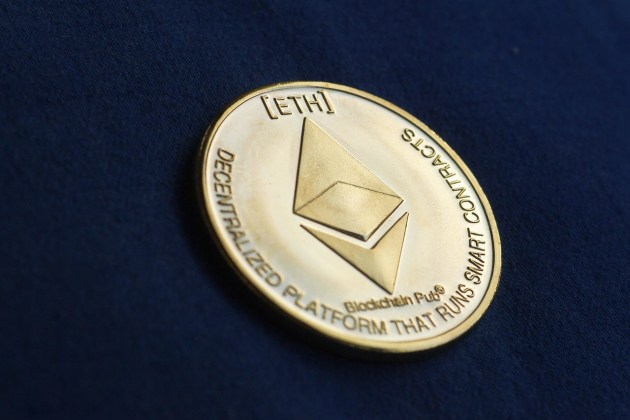
Morgan Stanley has amended its Ethereum and Solana ETF filings to disclose a 0.14% fee structure and investor-focused staking reward mechanisms. These amendments highlight the competitive fee environment in crypto ETFs and signal institutional adoption of staking as a value proposition for retail investors.
Morgan Stanley's ETF amendments represent a deliberate institutional positioning in the competitive cryptocurrency investment landscape. The disclosed 0.14% fee places the offerings within the competitive range of existing crypto ETF products, suggesting Morgan Stanley aims to balance profitability with market accessibility. The explicit disclosure of staking reward structures indicates the bank recognizes that modern crypto investors expect yield generation beyond price appreciation, a fundamental shift from traditional asset management.
This development emerges amid intense competition in the Ethereum and Solana ecosystems. Both networks have emphasize staking as a core mechanism—Ethereum through proof-of-stake and Solana through its validator ecosystem—creating natural alignment between blockchain incentive structures and investor expectations. Morgan Stanley's amendment demonstrates how institutional players must now articulate how they capture and distribute protocol-generated returns to remain competitive.
The move directly impacts retail investors by establishing clearer transparency around fee structures and staking benefits, potentially driving adoption of ETF products over direct holding for certain market segments. For developers and protocol teams, it validates that institutional custody vehicles now compete on yield delivery, not merely on trading convenience. This creates downstream effects on validator economics and staking participation rates.
Market participants should monitor whether other major institutions follow with similar amendments and competitive fee compression. The 0.14% benchmark may establish a price ceiling for next-generation crypto ETF products, particularly as regulatory clarity improves. Additionally, watch how staking reward distribution evolves—whether it flows directly to investors or gets captured through fee structures.
- →Morgan Stanley's 0.14% ETF fee signals institutional competition in crypto investment products is intensifying.
- →Explicit staking reward structures now function as core ETF differentiation factors, reflecting investor demand for yield.
- →The amendments increase transparency around fee and reward mechanisms, potentially accelerating institutional adoption.
- →Validator economics and protocol staking participation may face disruption as institutional players enter the staking market.
- →Future crypto ETF products will likely compete on fee compression and staking yield delivery rather than custody alone.