
Elon Musk Seemingly Admits xAI Has Used OpenAI's Models to Train Its Own
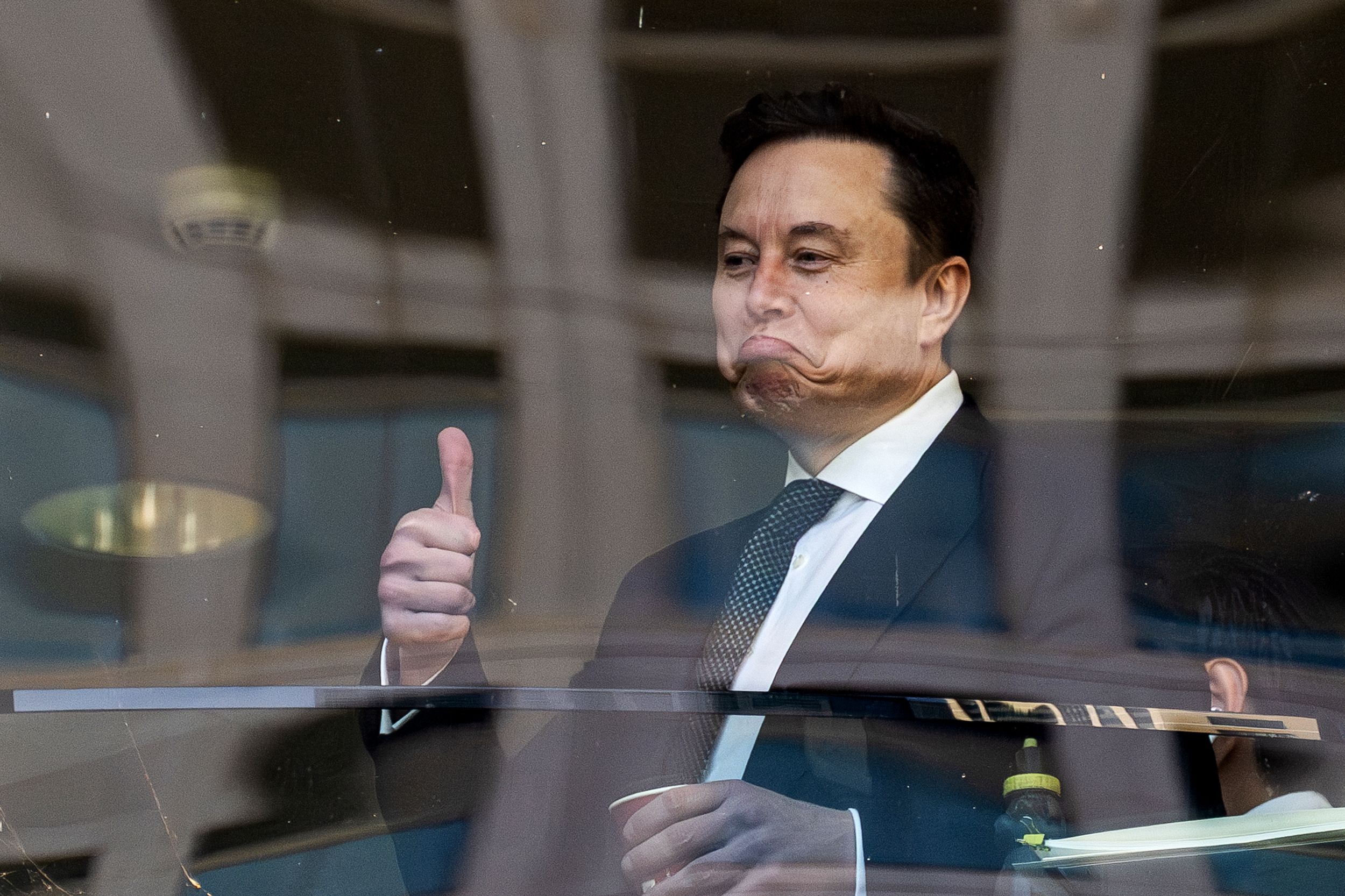
Elon Musk testified under oath that xAI has used OpenAI's models to train its own AI systems, claiming this is standard industry practice among competing AI labs. The admission raises questions about intellectual property practices in the AI sector and potential competitive dynamics between Musk's xAI and his former company OpenAI.
Musk's sworn testimony reveals a significant data point in the ongoing competitive relationship between xAI and OpenAI. During questioning, Musk defended the practice of training AI models on competitors' outputs as a normalized industry standard, suggesting that knowledge absorption across companies occurs regardless of competitive positioning. This admission matters because it contradicts common public perceptions that proprietary AI models remain isolated within their organizations and hints at more permeable boundaries between AI development pipelines than typically acknowledged.
The statement emerges amid broader tensions between Musk and OpenAI leadership following his departure from the company's board. OpenAI has transformed from a non-profit research organization into a for-profit entity valued at over $80 billion, while Musk launched xAI as a competitor with access to X's computational infrastructure and data. Musk's legal acknowledgment that xAI leverages OpenAI's technology reflects the complex reality of AI development, where models trained on public outputs or data feeds represent a gray area in intellectual property enforcement.
For the AI industry, this testimony normalizes knowledge transfer practices that may not violate explicit legal terms but challenge conventional understandings of competitive differentiation. Investors following AI sector consolidation should recognize that model advancement increasingly relies on comparative analysis across available systems rather than purely isolated development. This pattern suggests AI labs compete less on data uniqueness and more on architectural innovation and computational efficiency.
Looking forward, OpenAI and other AI companies may respond by implementing stricter access controls or pursuing legal clarifications around training data usage rights. Musk's public stance could influence ongoing regulatory discussions about AI model governance and intellectual property in the sector.
- →Musk admitted under oath that xAI uses OpenAI's models for training, framing it as standard industry practice.
- →The testimony reveals competitive knowledge transfer is more prevalent than public perception suggests in AI development.
- →This admission may prompt stronger IP protections and access controls among major AI labs going forward.
- →The disclosure highlights ongoing tensions between Musk and OpenAI following his exit from the organization.
- →AI companies now face pressure to legally clarify model training rights as competitive practices become public.