
Elon Musk gets testy on the stand: ‘I thought I had started a nonprofit with OpenAI but they stole it’
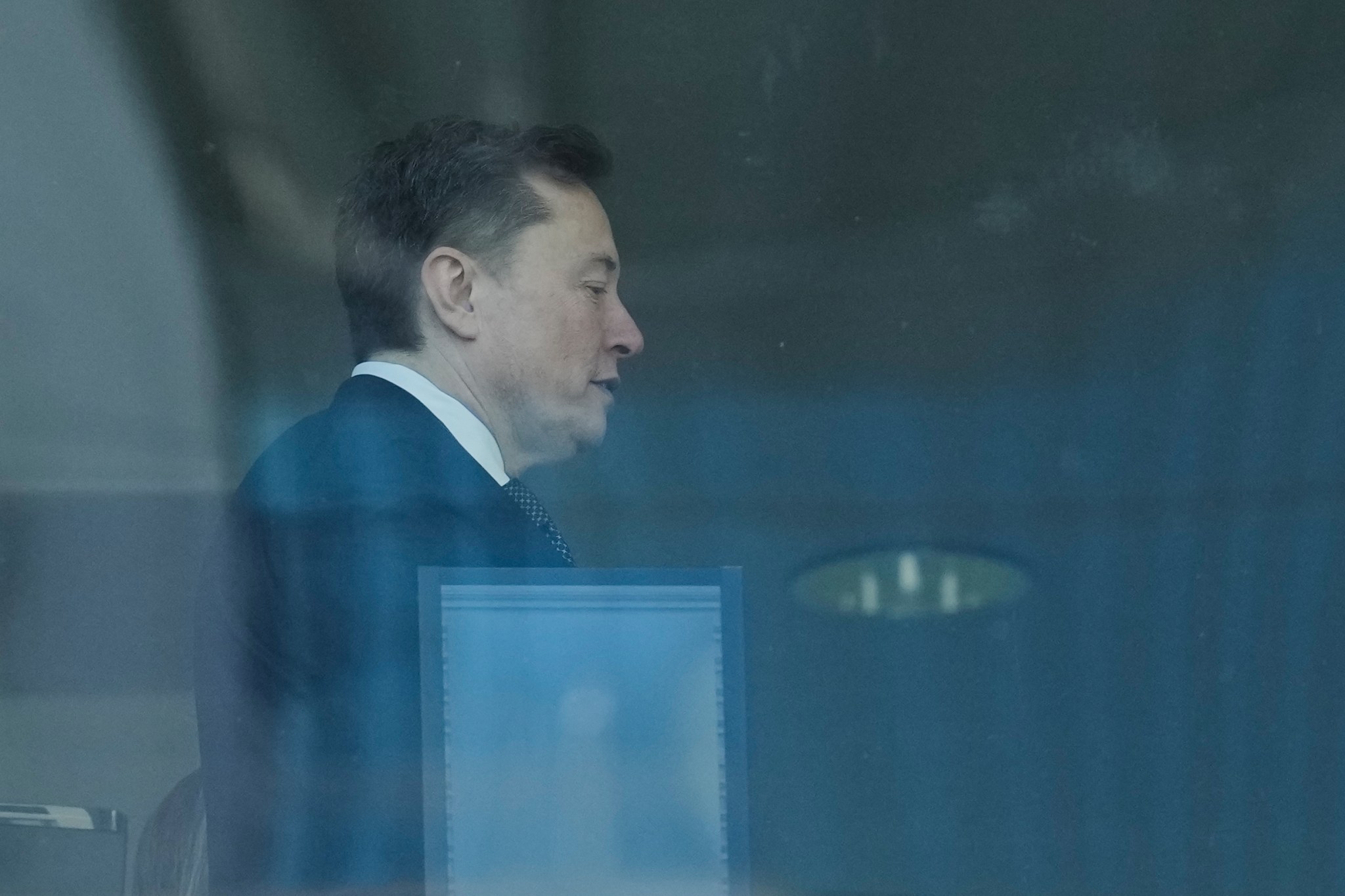
Elon Musk testified in court that he believed he had founded OpenAI as a nonprofit organization, but claims the company was subsequently converted to a for-profit entity without his consent, which he characterizes as theft. This statement forms the core basis of Musk's ongoing lawsuit against OpenAI.
Musk's courtroom testimony reveals the fundamental grievance driving his legal action against OpenAI: the perceived transformation of a nonprofit mission into a profit-driven enterprise. His frustration suggests he views the structural shift not merely as a business decision but as a betrayal of the organization's founding principles and his original intent. This lawsuit carries implications beyond the specific dispute between Musk and OpenAI, touching on broader questions about organizational governance, founder intent, and the legitimacy of pivoting nonprofit entities toward commercial models.
The history between Musk and OpenAI spans over a decade. Musk co-founded the organization in 2015 with the explicit mission of developing artificial general intelligence safely for humanity's benefit. His departure from OpenAI's board in 2018 preceded the company's evolution toward its current hybrid structure with Microsoft backing and substantial venture capital investment. The transition from nonprofit to a capped-profit model occurred gradually, creating ambiguity about consent and process.
This litigation affects investor confidence in AI governance models and raises questions about the enforceability of nonprofit-to-profit conversions. For the broader AI industry, the case establishes precedent regarding founder protections and organizational mission drift. It also highlights tensions between philanthropic AI development and commercial viability, which shape how emerging AI companies structure their governance. The outcome could influence how future AI organizations balance nonprofit ideals with capital requirements necessary for competitive development.
The case will likely continue through multiple proceedings, with potential implications for how technology founders negotiate exit terms and organizational changes.
- →Musk claims OpenAI's conversion from nonprofit to for-profit structure constitutes theft of his original vision and mission.
- →The lawsuit centers on governance and organizational transformation rather than standard business or intellectual property disputes.
- →The case highlights tension between nonprofit AI development ideals and the capital-intensive commercial reality of modern AI companies.
- →Musk's testimony establishes his perspective that he never consented to OpenAI's structural transformation toward profit orientation.
- →The litigation outcome could establish precedent for founder protections in nonprofit-to-profit conversions in the tech sector.