
Musk v. Altman Kicks Off, DOJ Guts Voting Rights Unit, and Is the AI Job Apocalypse Overhyped?
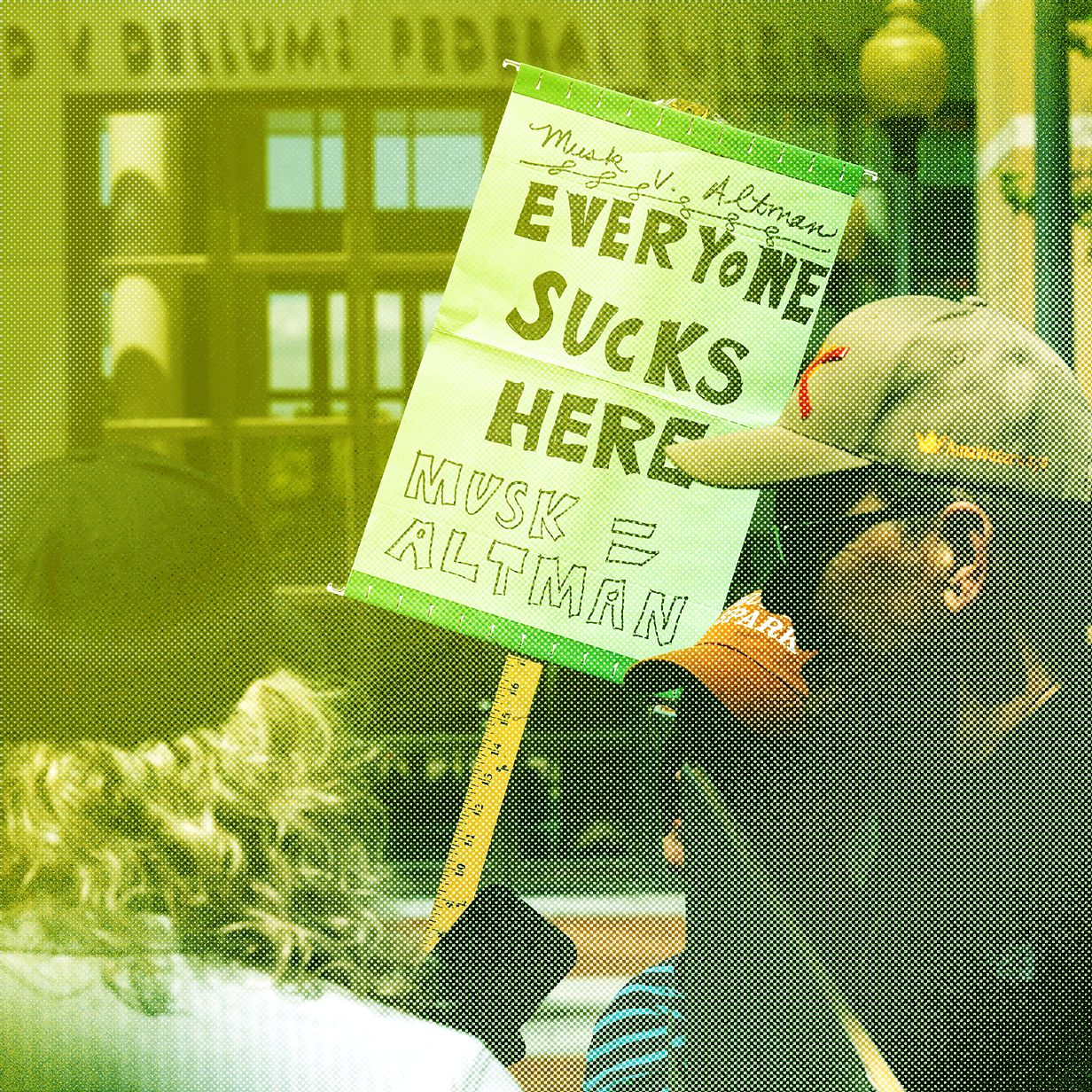
Elon Musk and Sam Altman's legal dispute extends far beyond personal rivalry, potentially reshaping OpenAI's governance and the broader AI industry's competitive landscape. The trial raises critical questions about corporate structure, intellectual property, and the direction of AI development that could influence how future AI companies operate.
The Musk-Altman legal clash represents a watershed moment for the AI industry, transcending typical founder disputes. At its core, the case examines fundamental questions about OpenAI's nonprofit-to-commercial transition, contractual obligations, and whether Musk's departure from the board created unresolved obligations. The outcome carries implications for how AI companies balance public benefit missions with commercial imperatives—a tension that defines the sector today.
Historically, Musk co-founded OpenAI as a nonprofit research organization before stepping back. His subsequent criticism of OpenAI's commercial pivot and relationship with Microsoft created an ideological rift that festered into litigation. This conflict mirrors broader industry debates about whether AI should remain open-source and accessible or concentrated in commercial entities. The trial forces the industry to confront how early agreements are interpreted when circumstances change dramatically.
For the investor and developer community, this dispute matters significantly. If courts rule in Musk's favor, it could impose restrictions on OpenAI's operations, licensing agreements, or governance. Conversely, if Altman prevails, it validates OpenAI's current commercial structure and provides precedent for other AI startups pursuing aggressive monetization. The trial also signals that founder disputes in AI will be fought publicly through litigation rather than private settlement, raising reputational stakes for the entire ecosystem.
Market participants should monitor how the court addresses intellectual property claims and governance precedents. The decision will establish whether early nonprofit structures provide lasting legal constraints on commercialization, affecting how future AI companies structure their legal frameworks and investor relationships.
- →The Musk-Altman trial extends beyond personal conflict to test OpenAI's commercial legitimacy and nonprofit-to-for-profit transition model.
- →Court rulings on intellectual property and governance could establish precedent for how AI companies balance public benefit missions with commercial operations.
- →A Musk victory might restrict OpenAI's current operations or licensing; an Altman victory validates aggressive commercialization in the AI sector.
- →Public litigation rather than private settlement signals that AI founder disputes will have significant reputational and market-moving consequences.
- →The outcome affects how future AI startups structure legal frameworks and negotiate investor relationships around IP and governance rights.