
Elon Musk to pitch SpaceX’s Terafab chip project to ASML employees
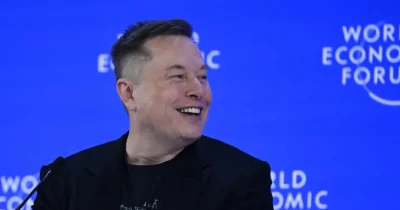
Elon Musk plans to present SpaceX's Terafab chip manufacturing project to ASML employees, targeting a potential partnership that could address global AI chip shortages. The initiative aims to revolutionize chip production efficiency, benefiting both companies and potentially strengthening ASML's market position.
Musk's outreach to ASML represents a strategic convergence between space technology and semiconductor manufacturing. SpaceX's Terafab project focuses on developing advanced chip fabrication techniques that could significantly accelerate production timelines and reduce manufacturing costs—critical challenges in an industry struggling with persistent supply constraints.
The timing reflects broader semiconductor industry dynamics where demand for AI chips vastly outpaces supply. ASML, the dominant supplier of extreme ultraviolet (EUV) lithography equipment essential for cutting-edge chip production, controls a critical bottleneck. A partnership leveraging Terafab's innovations could enhance ASML's technological differentiation and operational capacity, potentially expanding their addressable market beyond traditional foundries.
For ASML shareholders, such collaboration could translate to increased equipment orders and revenue growth as manufacturers seek to scale production faster. The chip shortage has driven government intervention globally, including substantial subsidies for domestic production capacity. Terafab's approach could provide a competitive advantage in accessing these funding opportunities and accelerating project timelines.
The broader implications extend to AI infrastructure development, where chip availability directly constrains AI model training and deployment. Enhanced manufacturing capacity could democratize access to computing resources, benefiting AI development globally. However, success depends on Terafab demonstrating manufacturability at scale and achieving cost targets that justify significant capex commitments from foundries. Market participants should monitor partnership announcements and any public roadmap commitments regarding production timelines and capacity targets.
- →SpaceX's Terafab project targets revolutionary improvements in AI chip manufacturing efficiency and production speed.
- →ASML partnership could strengthen the company's market position and potentially unlock new revenue from accelerated chip capacity scaling.
- →Global AI chip shortages create genuine demand for manufacturing innovations that reduce production timelines and costs.
- →Partnership success depends on demonstrating scalable, cost-competitive production validated by major foundries.
- →Government semiconductor subsidies and AI infrastructure investments increase market opportunity for advanced manufacturing solutions.