
Starmer: Over a dozen countries ready for NATO-led Hormuz mission
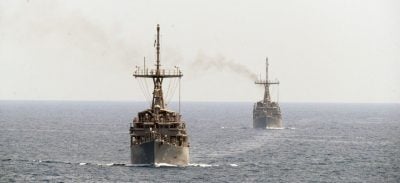
UK Prime Minister Starmer announced that over a dozen countries are prepared to participate in a NATO-led maritime security mission in the Strait of Hormuz. Market observers note skepticism regarding the immediate execution of such military operations, reflecting broader uncertainty about geopolitical escalation and its economic consequences.
Starmer's announcement of NATO-led Hormuz mission readiness represents a significant diplomatic development with potential implications for global energy markets and geopolitical stability. The Strait of Hormuz, through which approximately one-third of seaborne traded oil passes, remains a critical chokepoint for global energy supply. The coordination of over a dozen nations signals unified Western commitment to maritime security, yet the market's cautious reception suggests investors perceive implementation risks or doubt the immediacy of deployment.
This development emerges within a broader context of regional tensions and concerns about sea lane security. Recent geopolitical volatility, including proxy conflicts and maritime incidents, has prompted reassessment of global supply chain vulnerabilities. NATO's involvement elevates the mission's profile, transforming it from a unilateral initiative into a multilateral commitment, though execution challenges remain substantial.
For cryptocurrency and broader financial markets, geopolitical tensions typically trigger flight-to-safety behaviors. Oil price volatility often correlates with risk-off sentiment in growth assets including crypto, as energy prices influence inflation expectations and central bank policy trajectories. The market skepticism noted in coverage suggests investors view this as a measured response rather than an imminent escalation, potentially limiting immediate price impact.
Investors should monitor further announcements regarding operational timelines, participating nations' commitments, and any incidents in the Strait of Hormuz. Developments could accelerate if regional tensions intensify or if operational challenges emerge during deployment preparation. The macroeconomic implications through energy prices and monetary policy remain the primary transmission mechanism to crypto markets.
- →Over a dozen nations have committed to participate in a NATO-led maritime security mission in the Strait of Hormuz.
- →Market participants display skepticism about immediate military action, suggesting uncertainty about implementation timelines and effectiveness.
- →The Strait of Hormuz's criticality to global oil supply makes this mission significant for energy prices and economic stability.
- →Geopolitical tensions typically trigger risk-off sentiment, potentially affecting cryptocurrency valuations through inflation and monetary policy channels.
- →Investors should monitor operational timelines and regional developments for signals of escalation or de-escalation.